


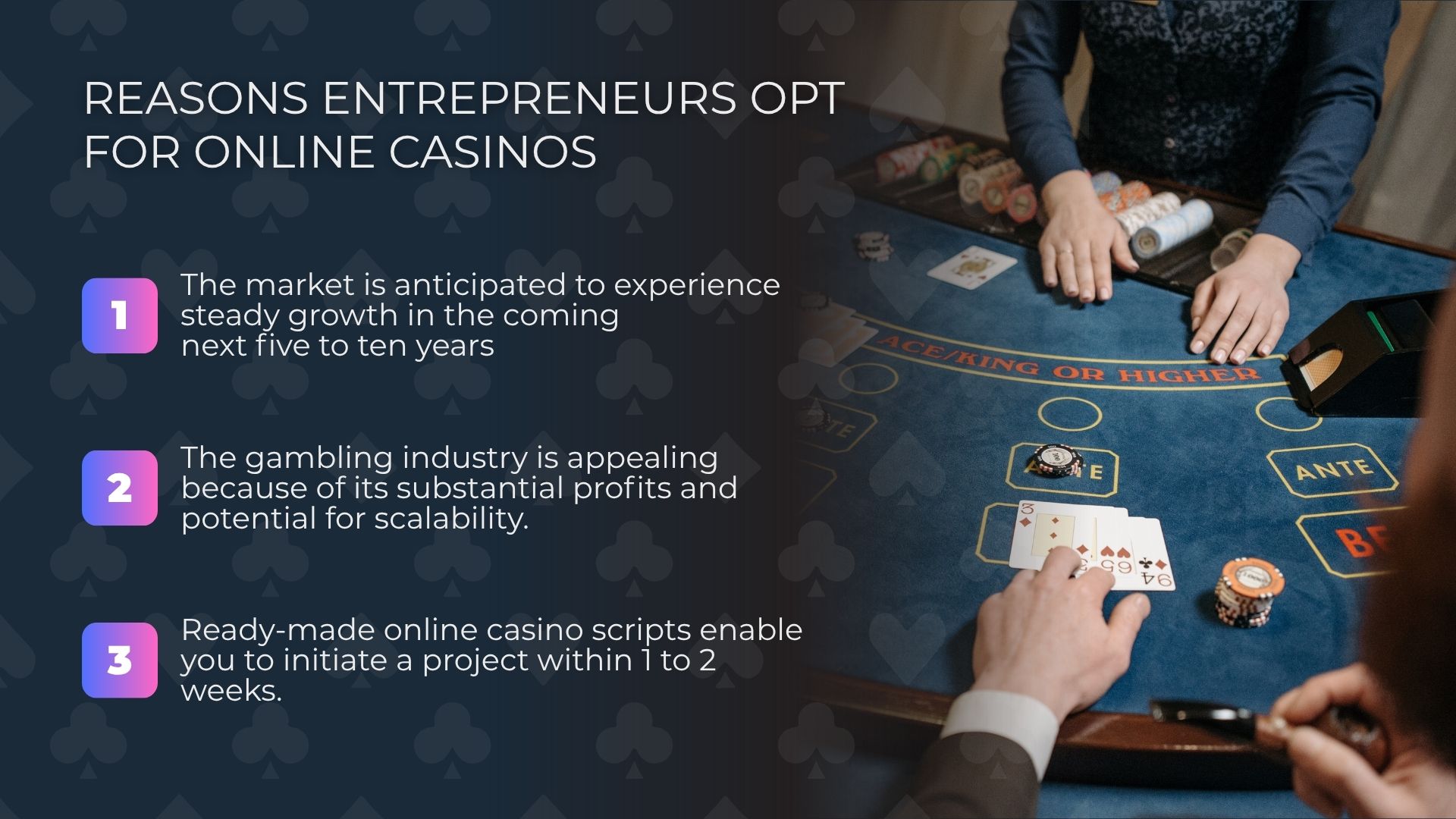
Online gambling remains one of the fastest-growing and highest-margin sectors in the global digital economy. According to Statista, the global online gambling market is projected to exceed $170 billion by 2029, with an average annual growth rate of 6.47%. The main drivers include greater tech accessibility, growing mobile traffic, the expansion of cryptocurrencies, and the liberalization of gambling laws across dozens of jurisdictions.
Why Now?
-
Regulators are opening new markets: Countries like Brazil, India, Kazakhstan, and Argentina are actively developing regulatory frameworks.
-
White Label solutions simplify entry: It’s now possible to launch an online casino without building a platform from scratch.
-
Players are moving online: Shifting from land-based casinos to mobile slots, live dealer games, and crash mechanics.
-
Widespread cryptocurrency adoption: Lowers the barrier to entry in markets where traditional payment systems restrict gambling transactions.
2025 is an ideal year to enter the market. Yes, there’s competition—but there’s also rapidly growing demand. Most importantly, turnkey technology and marketing solutions are already available, allowing new operators to go live within a month.
What This Guide Offers
This guide provides a practical, step-by-step roadmap for launching an online casino in 2025:
-
Market entry models and which one fits your goals;
-
Licensing costs and where to obtain a license;
-
How to choose the right tech platform and game providers;
-
What payment systems and marketing channels work in 2025;
-
Common mistakes new operators make—and how to avoid them.
Casino Launch Strategy: Choosing the Right Business Model
Launching an online casino in 2025 doesn’t begin with platform selection or licensing—it starts with defining your business model. The market offers three primary approaches: full custom development, purchasing a ready-made script, or using a White Label solution.
1. Custom Development
This path is suited for large-scale projects requiring significant investment, a skilled team, and time. It offers maximum control: from platform structure and UI to CRM logic and proprietary game mechanics. This model is ideal for those entering the industry with a clear product vision and long-term brand strategy.
However, the costs are substantial—launch budgets often exceed $200,000, and development time can range from 6 to 12 months, not including licensing and marketing efforts.
2. Ready-Made Casino Scripts
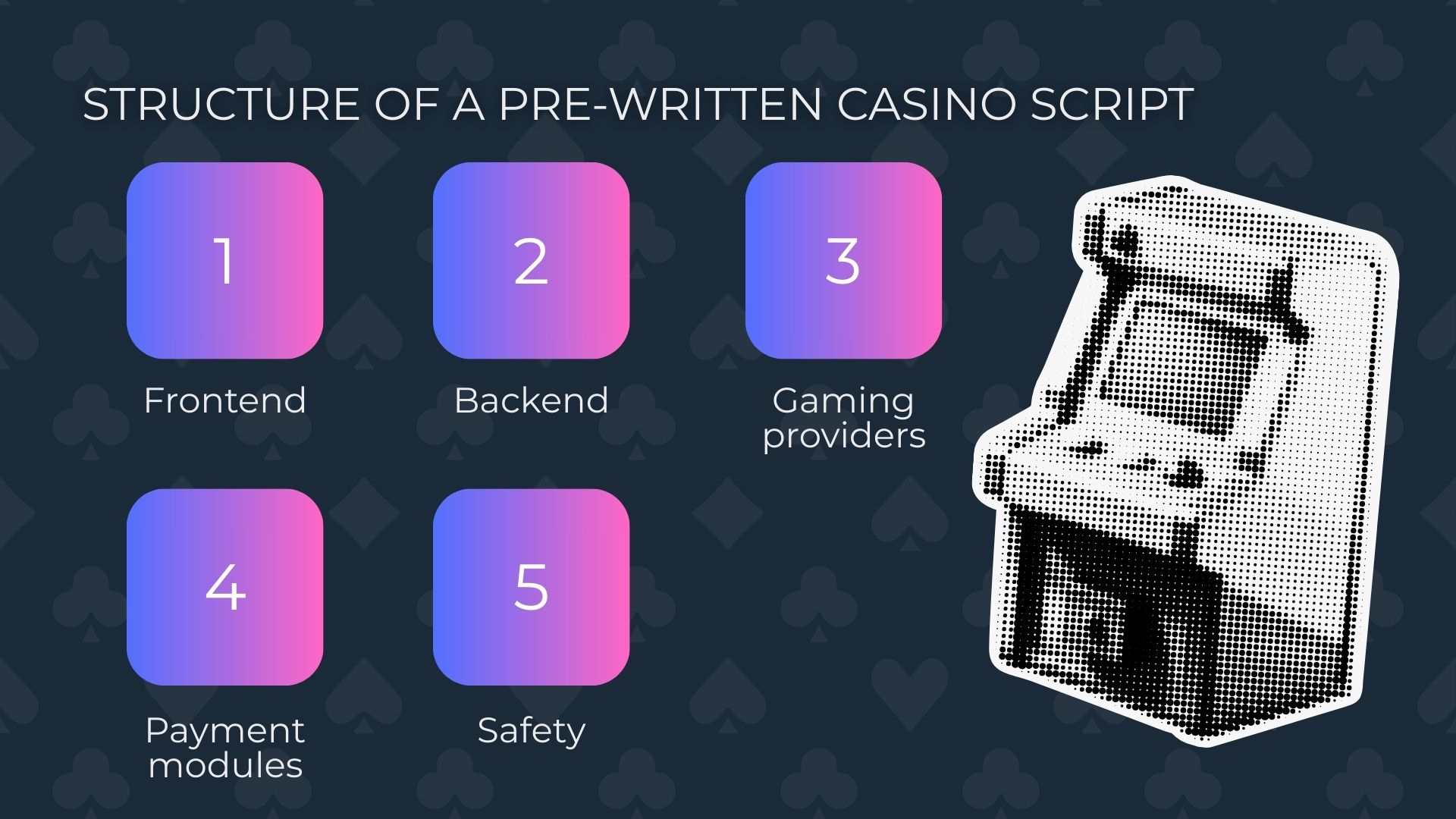
A compromise between flexibility and speed. Dozens of providers offer options—from template-based systems with basic features to professional-grade platforms that can scale. This approach is often used to launch an MVP, test market hypotheses, or assess player behavior in a specific region.
-
Cost: $15,000–$40,000
-
Time to launch: 2 to 6 weeks
More info: Turnkey casino websites by Gambling Soft
3. White Label
This model lets you rent the entire technology stack from a provider. In essence, it’s a “casino-in-a-box”: you get a fully functional site with games, payment integrations, and support services. Your focus is on marketing and brand development.
-
Entry cost: $10,000–$30,000
-
Time to launch: 2–3 weeks
However, the trade-off is limited control: you don’t own the backend, can’t modify the architecture, and are subject to the provider’s terms.
More info: White Label solutions by Gambling Soft
How to Choose the Right Model?
The right decision depends on your budget, timeline, expertise, and goals. If your priority is speed and testing marketing hypotheses, a White Label or script-based model is ideal. If you’re building a long-term brand and plan to operate in regulated markets, a custom platform offers independence and greater asset value.
Your initial strategy shapes everything—from future costs and legal structure to marketing tactics and risk management. Treat this as laying the foundation of a business, not just a software purchase.

Legal Setup: Choosing the Right License and Avoiding Pitfalls
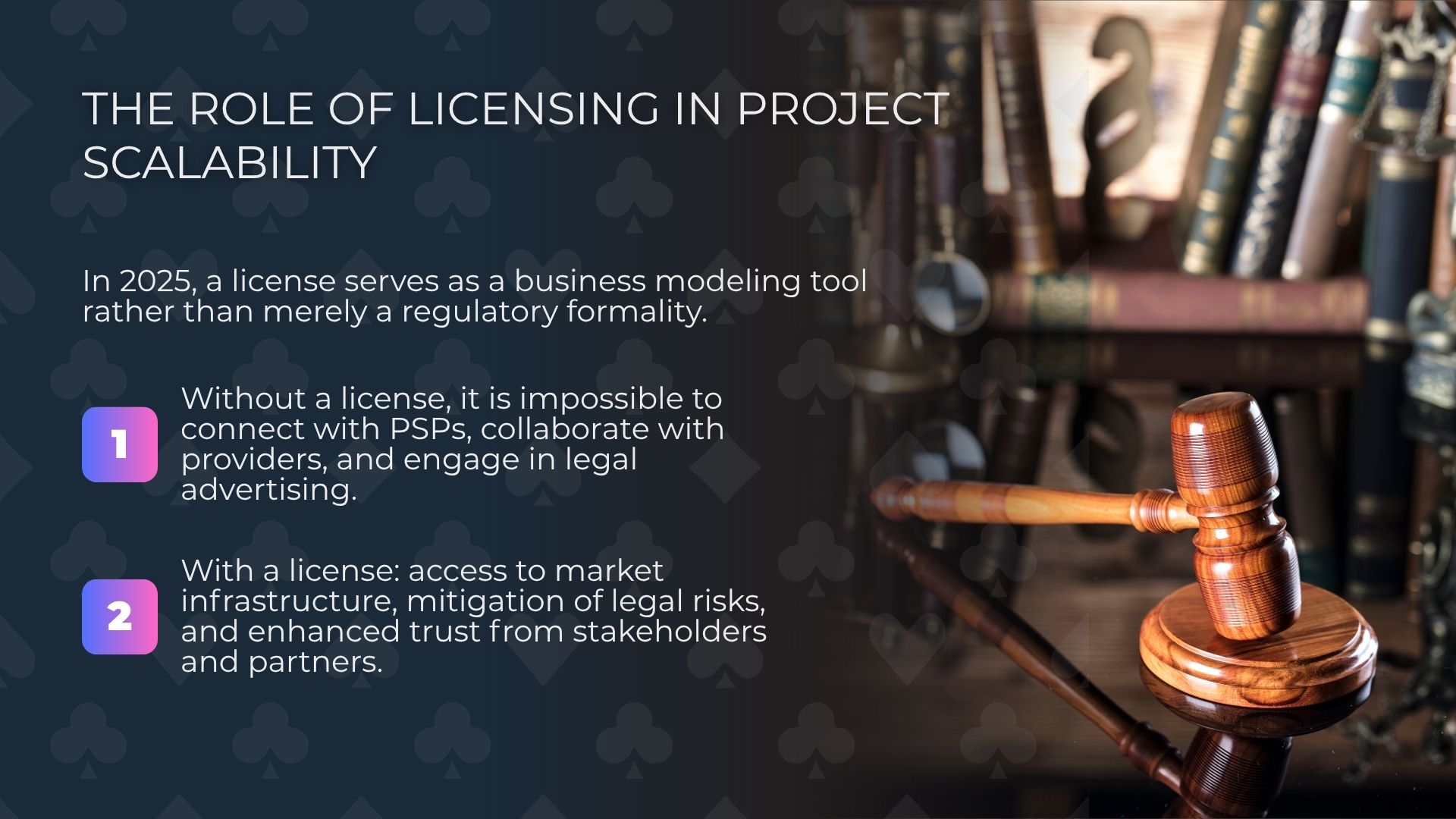
Every online gambling business in 2025 faces a crucial early decision: to operate under a license or in the gray zone. On one hand, a license offers legal protection and access to payment providers. On the other, going unlicensed may seem faster and cheaper at first glance.
However, in reality, almost all sustainable operators eventually transition to licensed operations. It’s just a matter of time and scale.
A license is not just a checkbox—it’s an infrastructure pillar. Without it, you can’t legally work with international PSPs, enter regulated markets, sell your business, or attract investors. More and more countries now block unlicensed casinos at the ISP and banking level. From Latin America to Eastern Europe, regulatory pressure is intensifying.
Jurisdictions & Licensing Costs: How to Choose
In 2025, gambling licenses fall into three tiers based on cost, status, and compliance complexity:
1. Entry-Level Jurisdictions
-
Examples: Curaçao, Caribbean Netherlands, Costa Rica
-
Cost: $6,000–$25,000
-
Launch time: Up to 2 months
-
Pros: Fast and affordable entry
-
Cons: Limited legal protection; PSPs may be hesitant
2. Mid-Tier Regulated Markets
-
Examples: Gibraltar, Alderney, Isle of Man
-
Cost: $40,000–$100,000
-
Benefits: High international credibility, access to banks, PSPs, B2B partners
-
Requirements: Transparent ownership, audits, structured entities
3. Top-Tier EU Licenses
-
Examples: Malta (MGA), Estonia, Sweden
-
Cost: From $80,000
-
Timeframe: 3–6 months
-
Pros: Access to EU players and legal marketing in Europe
-
Compliance: KYC, AML, audits, capital reserves, operational oversight
More info: Licensing costs by jurisdiction
Legal Risks: Common Pitfalls for New Operators
Some of the most serious mistakes include:
-
Launching without a license in highly regulated countries (e.g., Germany, France, Turkey);
-
Using unverified PSPs;
-
Neglecting mandatory KYC/AML compliance.
Consequences range from domain seizures and frozen accounts to potential criminal liability.
A robust legal foundation should be part of your architecture—not an afterthought. Your operational minimum should include:
-
An experienced lawyer;
-
Reliable hosting providers;
-
Backup payment gateways;
-
Continuous monitoring of regulatory changes.
Platform: The Technological Backbone of Your Casino Business
If a license provides the legal framework for your project, then the platform is its skeleton and brain. Your choice of technology directly affects the casino’s stability, ease of management, scalability, player retention metrics—and ultimately, your profitability.
In 2025, operators can choose between several platform access models: in-house development, White Label rental, or purchasing ready-made scripts. Each option comes with operational advantages and inherent limitations.
What an Online Casino Platform Must Offer in 2025
At a minimum, a viable platform should include:
-
CMS with role-based access control (admin, cashier, affiliate, etc.);
-
User management interface for handling players, withdrawals, and verification;
-
Back office with analytics dashboards (GGR, NGR, DAU, ARPU, LTV, Churn);
-
Bonus and promotional campaign tools;
-
Integrated game and provider management module;
-
Payment gateways, including cryptocurrency support;
-
Technical support and security systems (SSL, anti-fraud, backups).
The better this foundation is built, the more control you’ll have over your product and the more efficiently your business will operate.
In-House Development: Full Control Comes at a High Price
Creating your own platform is the path for those who want total control over product logic, UI/UX, business mechanics, analytics, and scaling. From a technical perspective, this is a major advantage. From a management standpoint, however, it comes with significant overhead. You’ll need a full team—developers, analysts, QA engineers, DevOps—plus months of work and a robust IT infrastructure.
This approach makes sense if you:
-
Are building a unique brand with custom game mechanics;
-
Plan to enter the B2B market and sell your platform in the future;
-
Seek maximum profit margins and operational independence.
However, unlike SaaS solutions, you bear full responsibility for system stability, updates, security, and maintenance. Even a small architectural flaw can lead to major technical failure.
White Label: Speed and Scalability with Limited Control
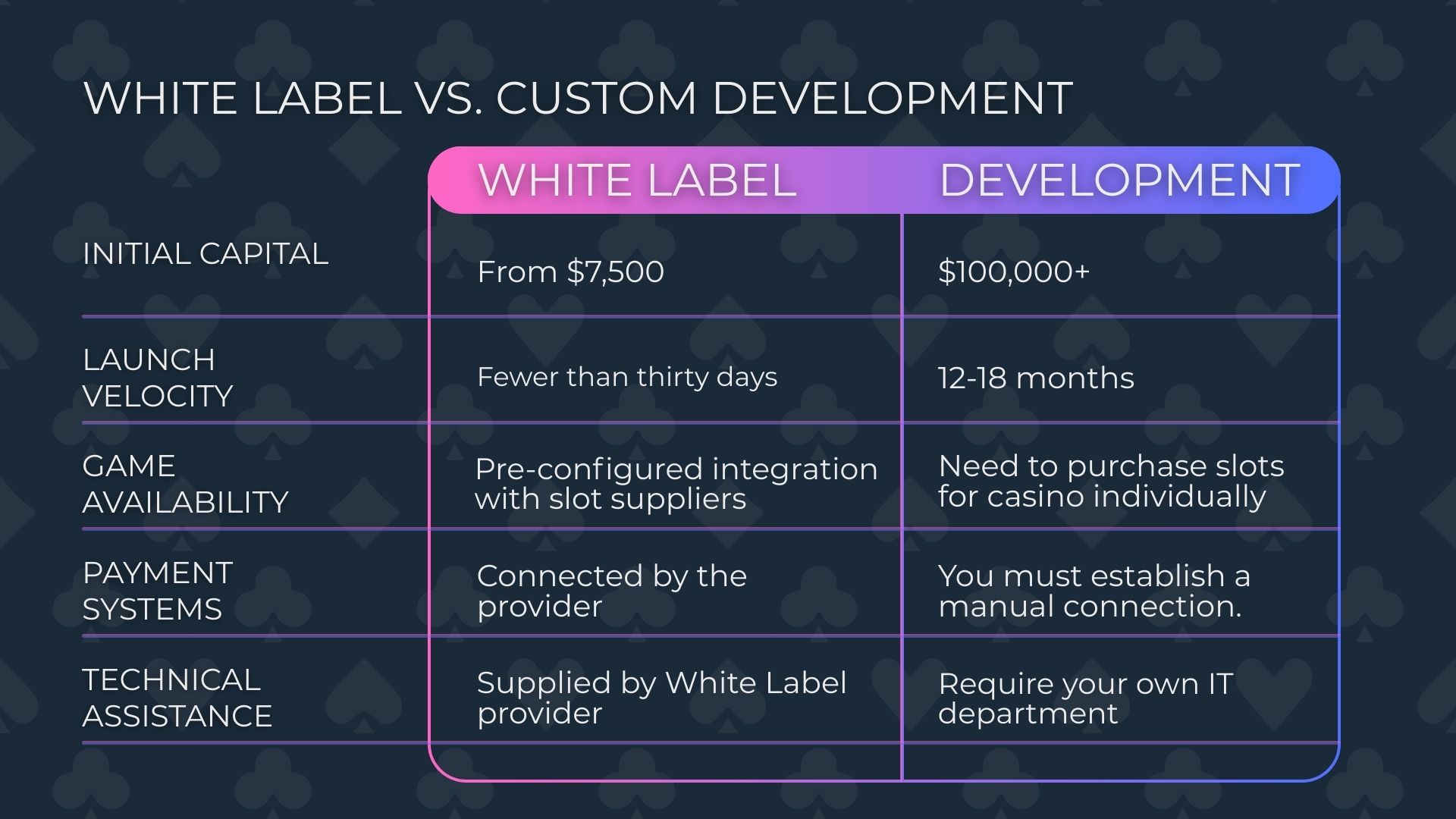
A White Label solution means renting a prebuilt platform that you can customize. You get a functioning website, admin interface, pre-integrated games and PSPs, and technical support. Launch is possible in as little as 2 to 3 weeks. But you’re operating within someone else’s infrastructure. This means:
-
No access to the source code;
-
Limited ability to integrate custom features;
-
Dependency on the provider’s policies and roadmap.
Still, White Label is often the optimal choice for market entry, especially if your goal is to test demand before investing in a custom solution later.
Why a Platform Is More Than Just Technology
A platform is not just a “website with games”—it encompasses all internal business processes. The way your analytics, CRM, bonus logic, and security protocols are configured affects not only your conversion rates, but also player retention, lifetime value, and legal resilience. Without a full-featured platform, even the most aggressive marketing won’t work: users will leave due to bugs, delayed payouts, or clunky UX.
How to Evaluate a Platform Before Launch
Don’t judge a platform solely by design or front-end demo games. Always request access to the demo back office and check the following:
-
How are reports generated, and which metrics are available?
-
Is there BI integration or data export functionality?
-
How flexible is the configuration of bonuses and free spins?
-
Are there dedicated dashboards for partners, cashiers, providers?
-
How fast is technical support, and how often is the system updated?
It’s better to spend a few days on thorough testing and negotiation than to switch providers a month later due to critical limitations.
Section Summary
The platform is a strategic asset for your business. If you choose it based on “lowest price,” you risk introducing a flaw that could cost you users, reputation, and capital. Your focus should be on long-term operation, retention, and scalability—not just the initial launch. And your platform must be ready for that from day one.

Casino Content: How Game Providers Shape the Success of Your Project
Even the most stable and flexible platform means little without high-quality content. In the online gambling industry, content means games that engage, retain, and drive repeat visits. It’s the games—not the license, payment options, or advertising—that determine whether a user will stay and how much revenue they will generate over their lifetime with your brand.
One of the most critical questions for any operator: which game providers to integrate—and under what terms? It’s essential to understand that a provider isn’t just a content supplier. They are one of the main sources of your GGR (Gross Gaming Revenue).
Game Providers: How They Operate and Where Their Incentives Lie
Game providers such as Pragmatic Play, Evolution, BGaming, Hacksaw Gaming, Nolimit City, Red Tiger, and others deliver licensed games via API integrations—either through aggregators or direct partnerships. Their monetization model is typically revenue share, taking 10% to 30% of the operator’s earnings from their games. The higher the share, the more expensive the provider—but often the higher the player engagement.
Games are not just about visuals. Key factors include code quality, server stability, mobile optimization, certifications (GLI, iTech Labs, etc.), and adaptability to different markets and payment strategies.
Essential Game Types for a Casino Launch
At launch, your content strategy should cover a broad range of player preferences. A minimum viable content set should include:
-
Slots: The foundation of GGR for most casinos. Include both “mass market hits” (e.g., Book of Dead, Gates of Olympus) and niche titles with unique math models.
-
Live Casino: Real-time dealer tables from providers like Evolution or Ezugi boost trust, immersion, and average ticket size.
-
Crash Games: One of the fastest-growing segments. Simple mechanics, short sessions, and high engagement among Gen Z.
-
Instant and Mini-Games: Great for mobile users and particularly effective in crypto casinos.
-
Jackpots and Tournaments: Create excitement and the chance to “hit it big.”
It’s not just about having these games—it’s about how they’re presented and filtered. Users should be able to quickly find engaging options, view RTP, provider names, and bonus mechanics.

Mechanics That Drive Engagement: How Content Influences Player Behavior
Modern games go beyond spinning reels. They’re built with retention mechanics such as:
-
Collection-based gamification systems;
-
Progressive jackpots;
-
Buy Bonus modes for instant entry into free spins;
-
Player-vs-player tournaments and competitions;
-
Interactive storytelling, especially in crash and instant games.
High-engagement content can increase player LTV by 1.5x to 2x, reduce churn, and drive higher daily activity—critical in an industry where user acquisition costs are high.
How to Choose Providers for Specific GEOs
Your content strategy must align with regional player preferences:
-
In Eastern Europe, classic slot mechanics with high RTP are favored (e.g., Playson, Amatic).
-
In Latin America, dynamic gameplay, fast bets, and mobile-first optimization are key (e.g., Pragmatic Play, Spribe).
-
In crypto markets, crash and instant games dominate (e.g., Aviator, Mines, Plinko from BGaming).
A game that doesn’t resonate with its audience is a dead asset. Your content approach must be dynamic and responsive to market feedback.
Section Summary
Games are not the cosmetics of your casino—they are its core engine. Between 70% and 80% of your project’s success depends on the depth and diversity of your content, the strategic selection of providers, and the design of gameplay mechanics. Cutting corners here doesn’t just cost you profits—it costs you your reputation. Players leave quickly—and almost never come back.
Payment Solutions and Security: A Critical Pillar of a Sustainable Casino
Payment systems in online casinos are far more than tools for handling deposits and withdrawals. They are a core element of player trust, legal compliance, and operational resilience. Mistakes in this area can lead to account freezes, reduced conversion rates, and even legal disputes.
The Diversity of Payment Methods: How to Build an Optimal Stack
In 2025, players expect casinos to offer a wide variety of payment options. The primary categories include:
-
Traditional Bank Cards: Visa and MasterCard remain baseline options but are increasingly subject to complex verification processes and gambling-related restrictions.
-
E-Wallets: Services like Skrill, Neteller, and PayPal (in certain jurisdictions) are popular for their speed and convenience.
-
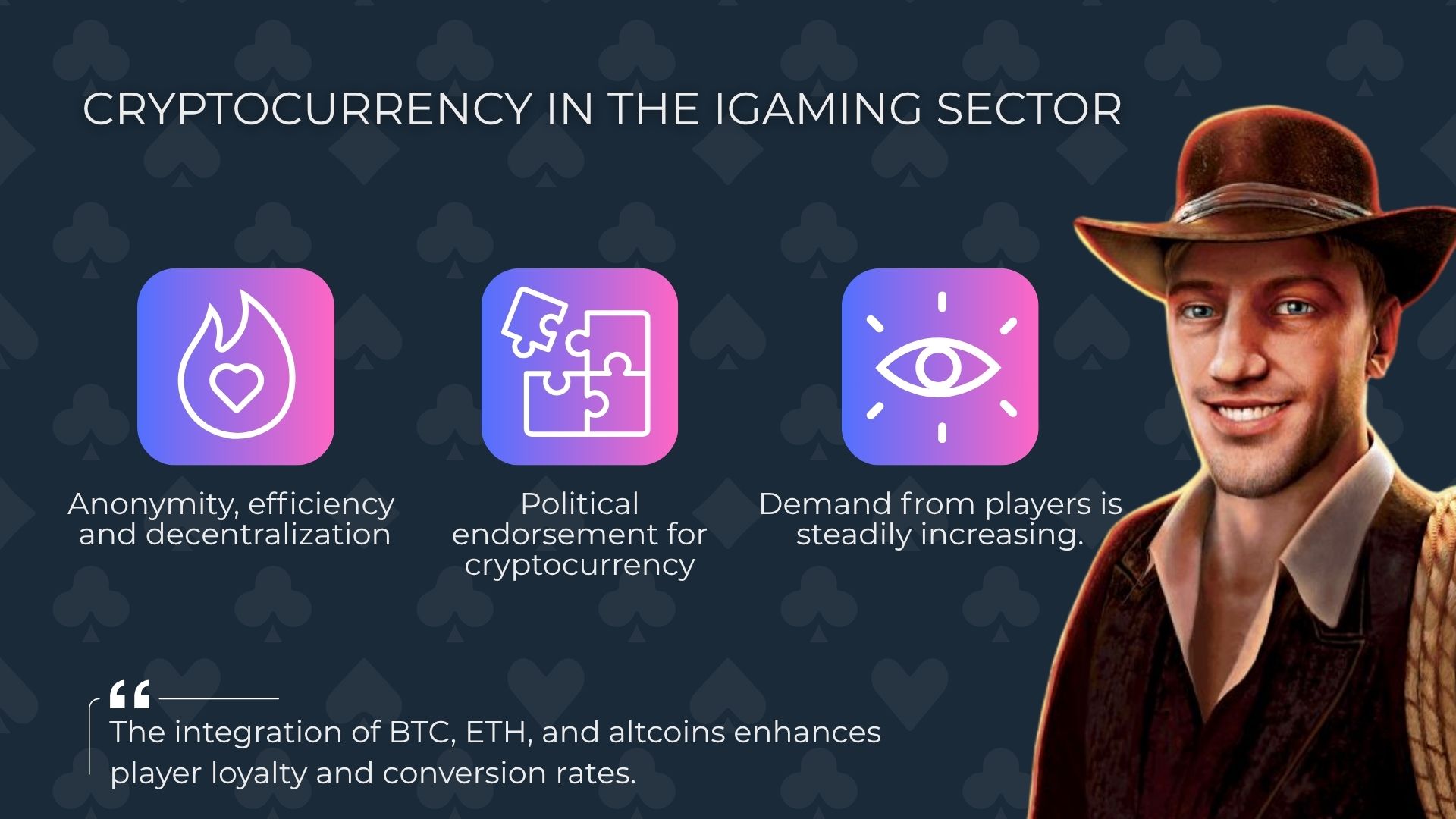
Cryptocurrencies: Bitcoin, Ethereum, USDT, and others are now standard for crypto-oriented casinos. They enable lower fees, higher privacy, and global accessibility.
-
Local Payment Methods: Qiwi, Yandex.Money, UPI, M-Pesa, and others are essential for markets with region-specific payment habits.
Key Criteria for Choosing a PSP
When selecting payment service providers (PSPs), consider the following factors:
-
Legal Compatibility: Providers must explicitly support gambling operations and have experience working with iGaming businesses.
-
Technical Integration: Look for APIs, flexible payment forms, and customization capabilities.
-
Security: Ensure robust client data protection and anti-fraud systems.
-
Transaction Speed: Fast processing is critical for player retention.
-
Fees: Pricing should be transparent and competitive.
-
Geo-Targeting: Support for local currencies and preferred regional methods.
KYC/AML: Staying Compliant Without Losing Players
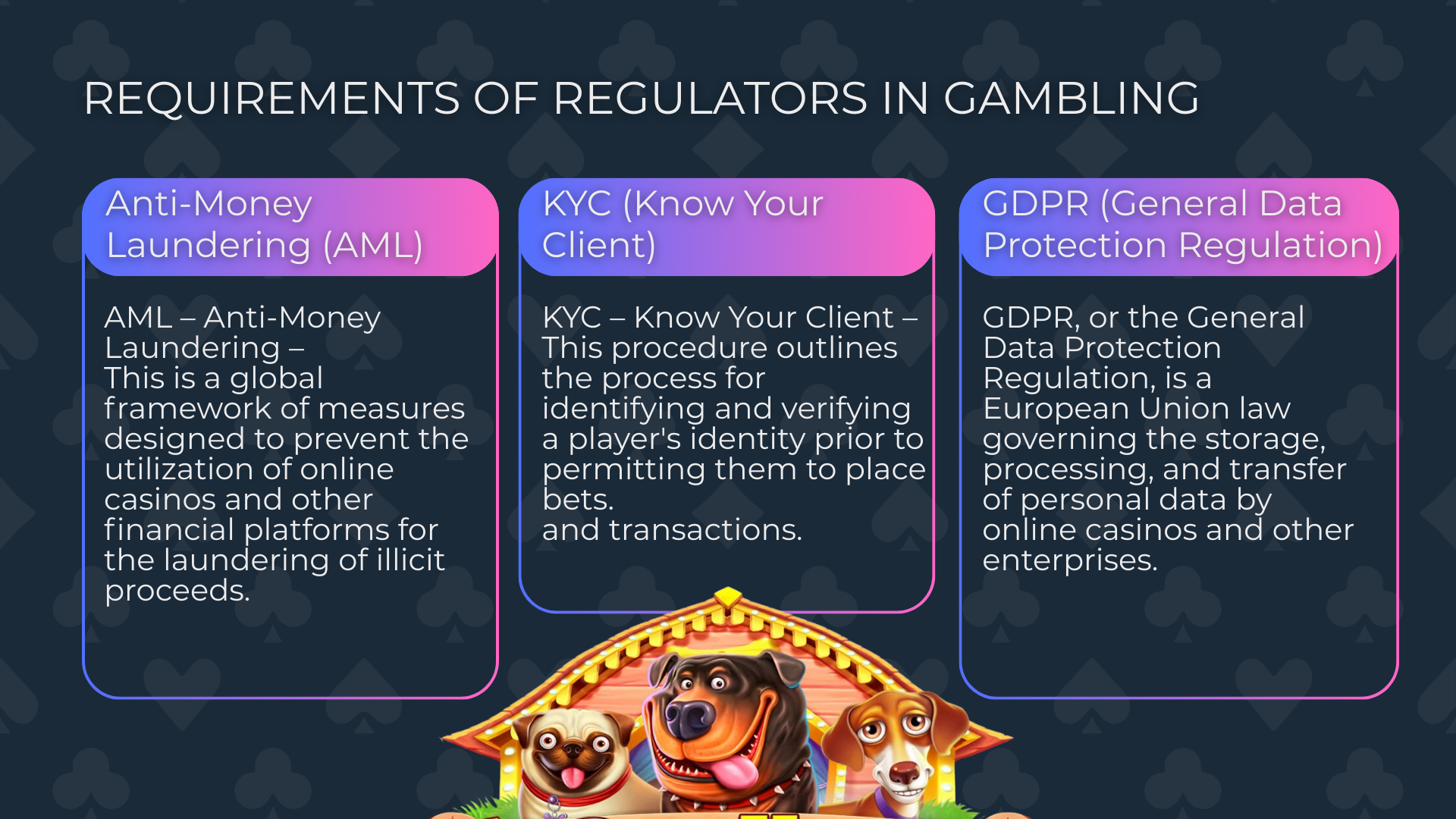
Know Your Customer (KYC) and Anti-Money Laundering (AML) procedures are mandatory in 2025, requiring automated integration into registration and withdrawal workflows. Leveraging biometrics, AI-powered document screening, and third-party verification services can help strike the balance between security and usability.
Overly strict checks increase abandonment rates, while insufficient measures expose you to serious compliance risks. The ideal approach is a tiered verification system, adapting the level of scrutiny to transaction volume and player behavior.
Managing Risk and Chargebacks
Payment fraud and chargebacks are major concerns in the gambling industry. Effective anti-fraud tools, behavioral analytics, and responsive support are essential components of your risk management system.
Chargebacks deserve special attention. Timely response and proper documentation of transactions help minimize losses and avoid conflicts with payment networks.
Multi-Currency Support and the Cashier Module
A modern casino must offer multi-currency wallets and automatic conversion capabilities. This improves player convenience and lowers entry barriers in diverse markets. Your cashier module should allow real-time control over limits, bonuses, and payment flows, ensuring flexible and transparent financial operations.
Section Summary
Payment systems are not just a “technical” component—they are the foundation of trust and legal integrity in an online casino. Investing in robust PSP integration, KYC/AML compliance, and anti-fraud protections is an investment in business sustainability, risk reduction, and player loyalty.
Marketing and Player Acquisition: How to Drive Growth and Retention
In the online casino industry, marketing is not merely a toolkit—it is a comprehensive strategy that directly impacts revenue, average player value, and lifetime value (LTV). In 2025, the market continues to evolve: users are more selective, traffic acquisition costs are rising, and advertising regulations are becoming stricter.
A Holistic Approach to Marketing
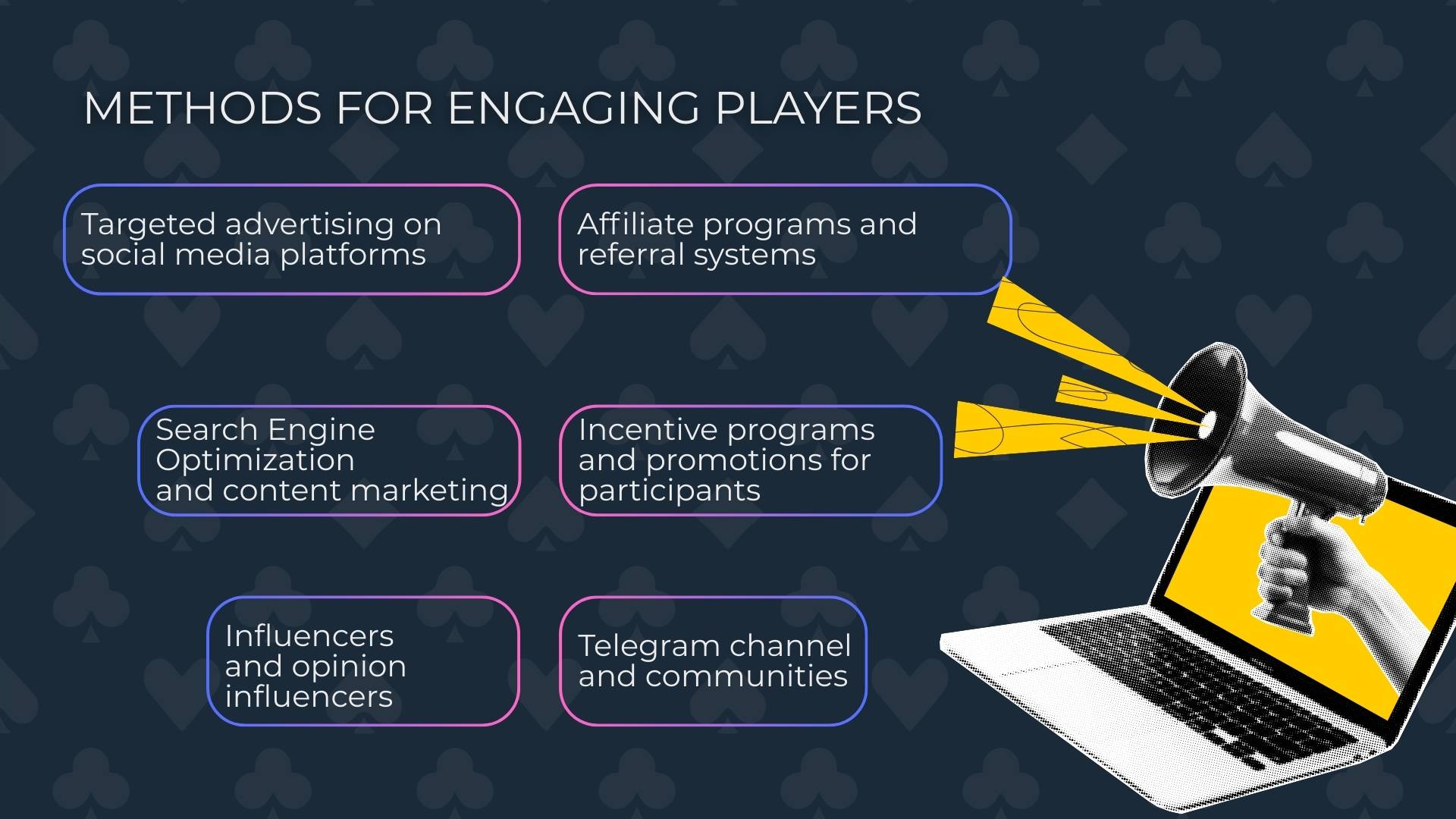
To launch and scale effectively, operators need a diversified marketing strategy that leverages multiple complementary channels:
-
SEO and Content Marketing: A primary source of organic traffic. High-competition keywords demand consistent production of high-quality content—expert articles, game reviews, and market analysis. This is a long-term channel with low customer acquisition cost (CAC).
-
Paid Traffic and Media Buying: Includes Google Ads, Facebook, TikTok (with restrictions), and specialized gambling ad networks. Success here depends on precise audience segmentation, creative ad design, and conversion rate optimization.
-
Affiliate Programs (CPA, CPL): Among the most widely used channels in the gambling space. Operators pay for active player acquisition, reducing financial risk. Key success factor: building a transparent and accountable reporting system.
-
Push Notifications and Email Marketing: Retention tools that encourage repeat visits and increase LTV. Personalization and smart segmentation are essential for boosting engagement.
-
Collaborations with Influencers and Streamers: A powerful channel for reaching younger audiences, especially in the crypto casino and live gaming segments.
Budget Management and ROI
Marketing budgets for launching an online casino in 2025 vary by geography and strategic approach but typically start from $30,000–$50,000, including channel testing and performance optimization. The goal isn’t just spending—it’s about systematic tracking of ROI, CAC, and LTV.
Sustainable growth depends on ongoing analysis of:
-
Visitor-to-player conversion rates;
-
Average revenue per user (ARPU);
-
Churn rate and repeat deposits.
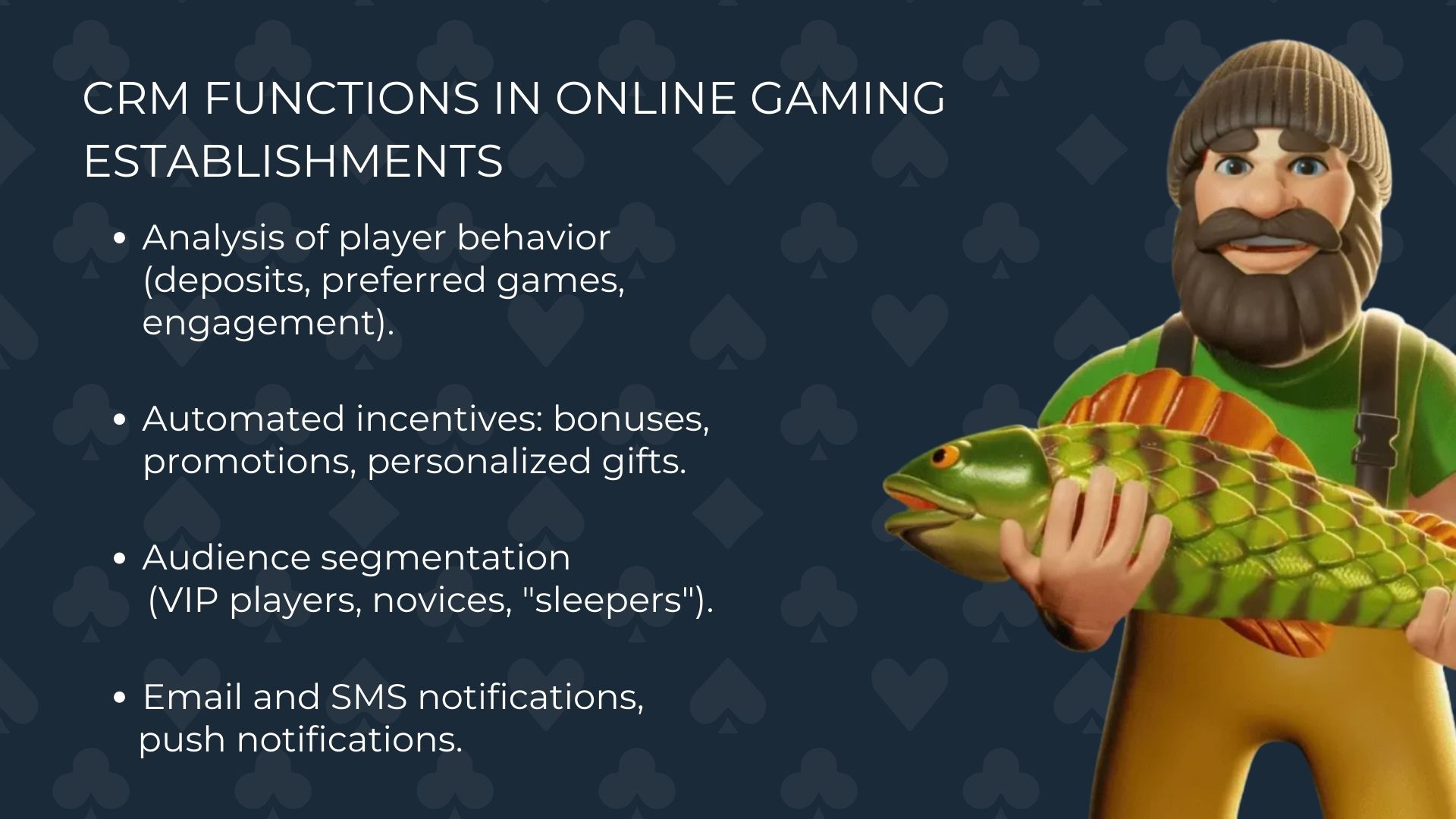
An effective CRM system allows for personalized offers and optimized customer acquisition spending.
Building a Loyalty Program
One of marketing’s core objectives is player retention. Loyalty programs with tiered rewards, cashback, and exclusive offers can significantly improve retention rates and average spend. However, bonuses must be transparent, fair, and incentivize long-term engagement.
Legal Restrictions on Gambling Advertising
Different jurisdictions enforce strict regulations on gambling promotion—including bans on targeting minors, transparency requirements, and limitations on how bonuses are marketed. Violations can result in fines or ad account suspensions.
This underscores the need for compliance experts and constant monitoring of legal developments.
Section Summary
Marketing for an online casino is a delicate balance between aggressive acquisition and thoughtful retention. Channel optimization, budget discipline, and compliance awareness are the pillars of stable growth and high lifetime value.
Operations and Scaling: How to Build a Sustainable and Growing Casino Business
Managing an online casino involves far more than technology and marketing—it requires a well-structured operational framework. In 2025, successful operators understand that sustainable growth hinges on a systematic approach to managing teams, processes, and key business metrics.
Team Building and Role Allocation
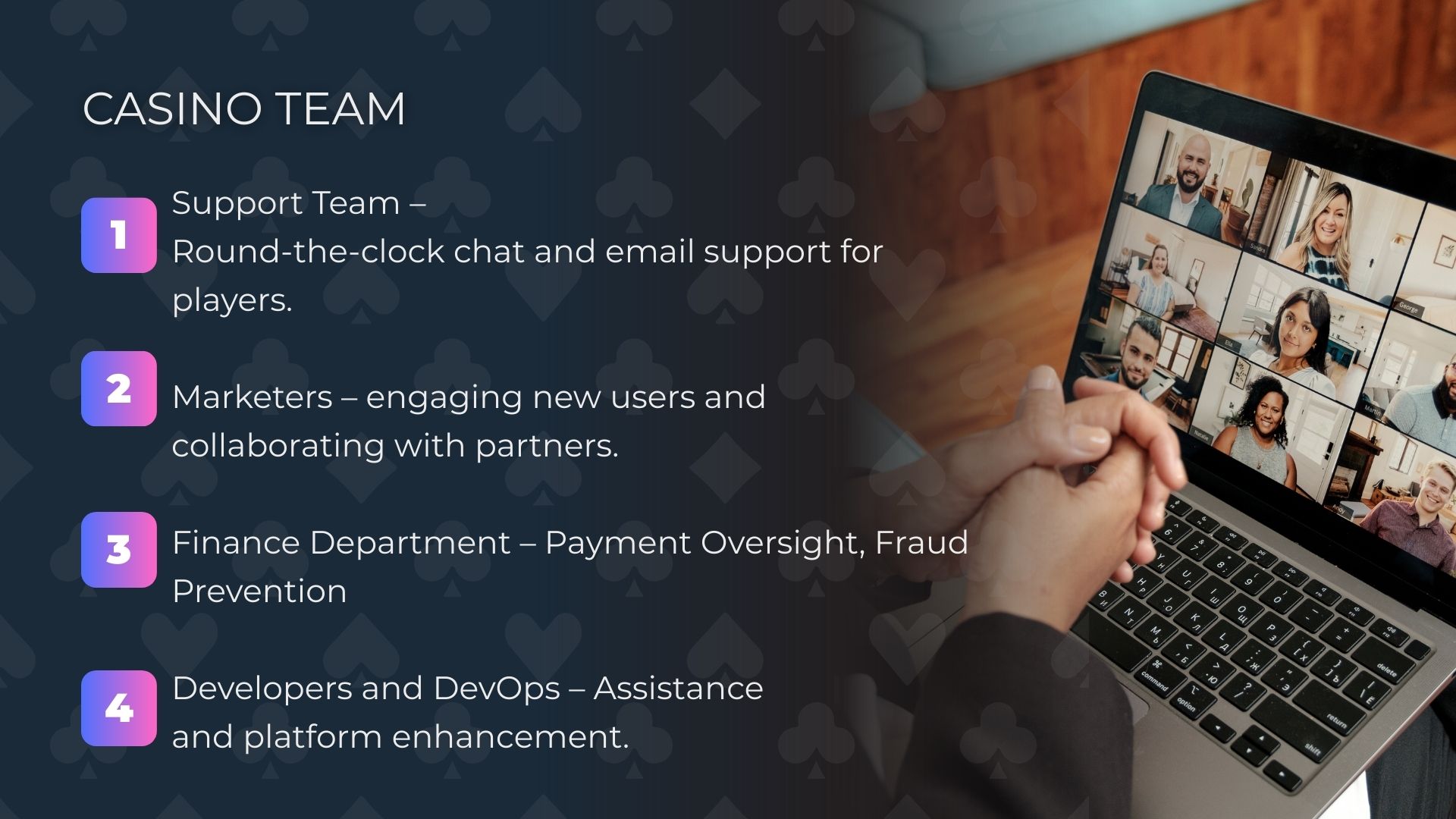
To ensure efficient operations, you need a team with clearly defined responsibilities:
-
Management and Operations: Responsible for strategy, business processes, and risk management.
-
Technical Support: Provides 24/7 assistance for technical and user-related issues.
-
Compliance and Legal: Monitors regulations, manages licensing, and handles interactions with authorities.
-
Marketing and CRM: Develops campaigns, analyzes player behavior, and drives retention.
-
Finance Department: Manages payments, budgeting, and accounting.
-
Affiliate Management: Builds and maintains partner networks.
A well-structured organization reduces operational risks and improves efficiency.
Key Operational Metrics
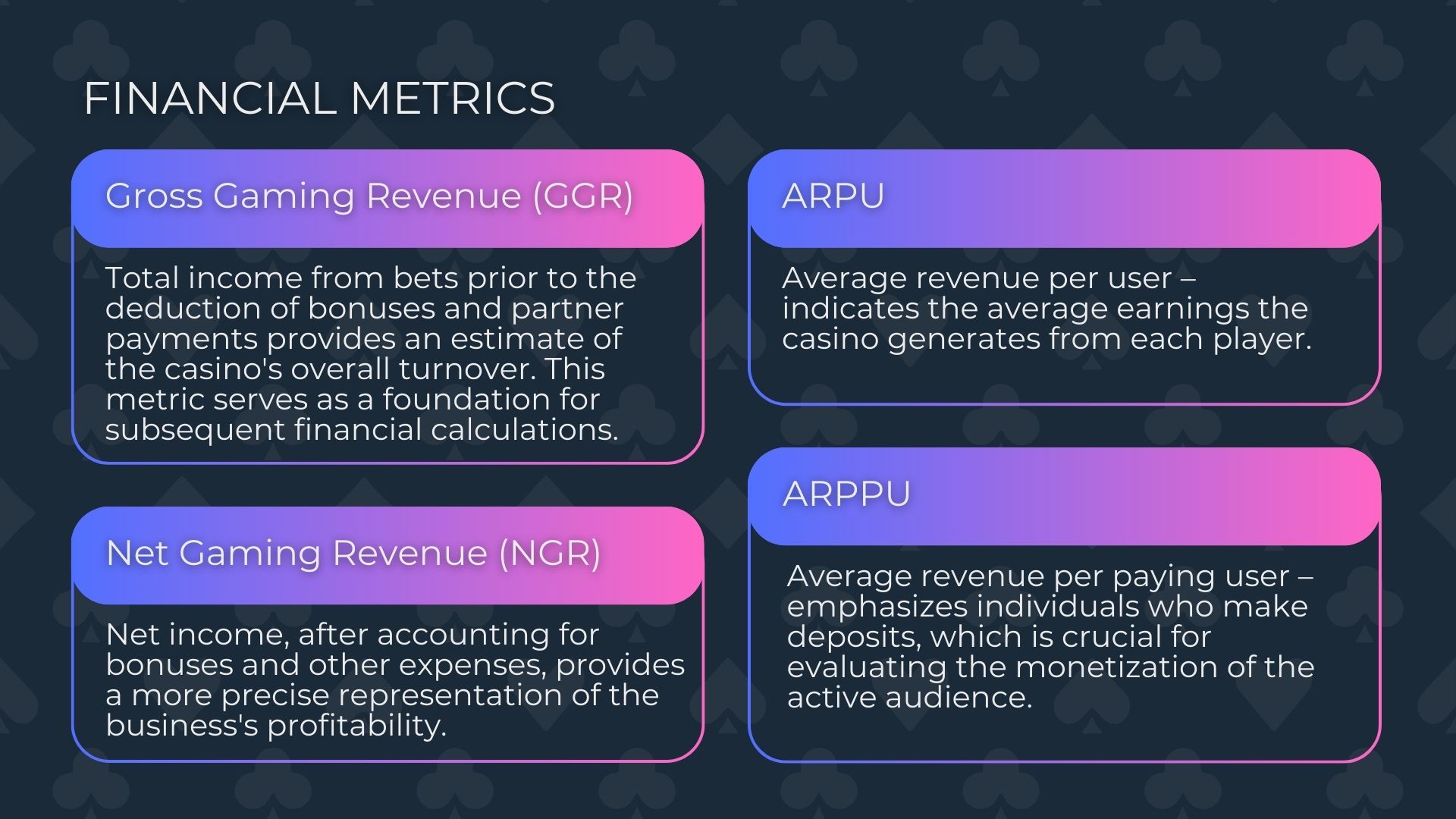
To manage growth and ensure long-term viability, it’s essential to regularly monitor:
-
GGR (Gross Gaming Revenue): Total revenue from player bets.
-
NGR (Net Gaming Revenue): Net income after bonuses and refunds.
-
DAU/MAU (Daily/Monthly Active Users): Indicators of player engagement.
-
ARPU (Average Revenue Per User): Average earnings per user.
-
Churn Rate: Player attrition rate.
-
CAC (Customer Acquisition Cost): Cost of acquiring a new player.
-
LTV (Lifetime Value): Total value a player brings over their lifespan.
Analyzing these metrics helps inform strategic decisions and investment planning.
Scaling the Business: GEOs, Products, Channels
Growth often comes through expansion in several areas:
-
Geographies: Entering new markets while complying with local laws and adapting to player preferences.
-
Product Line: Introducing new verticals such as sports betting or poker to diversify offerings.
-
Marketing Channels: Broadening acquisition and retention efforts using emerging digital platforms.
As you scale, it’s critical to maintain service quality and legal transparency.
Automation and System Integration
To avoid growing your headcount proportionally with scale, invest in process automation:
-
Automated KYC/AML checks and payment workflows.
-
CRM integration with your platform and marketing stack.
-
BI systems for reporting and data analysis.
-
Automated support and notification systems.
Automation lowers operational costs and improves responsiveness.
Risk Management
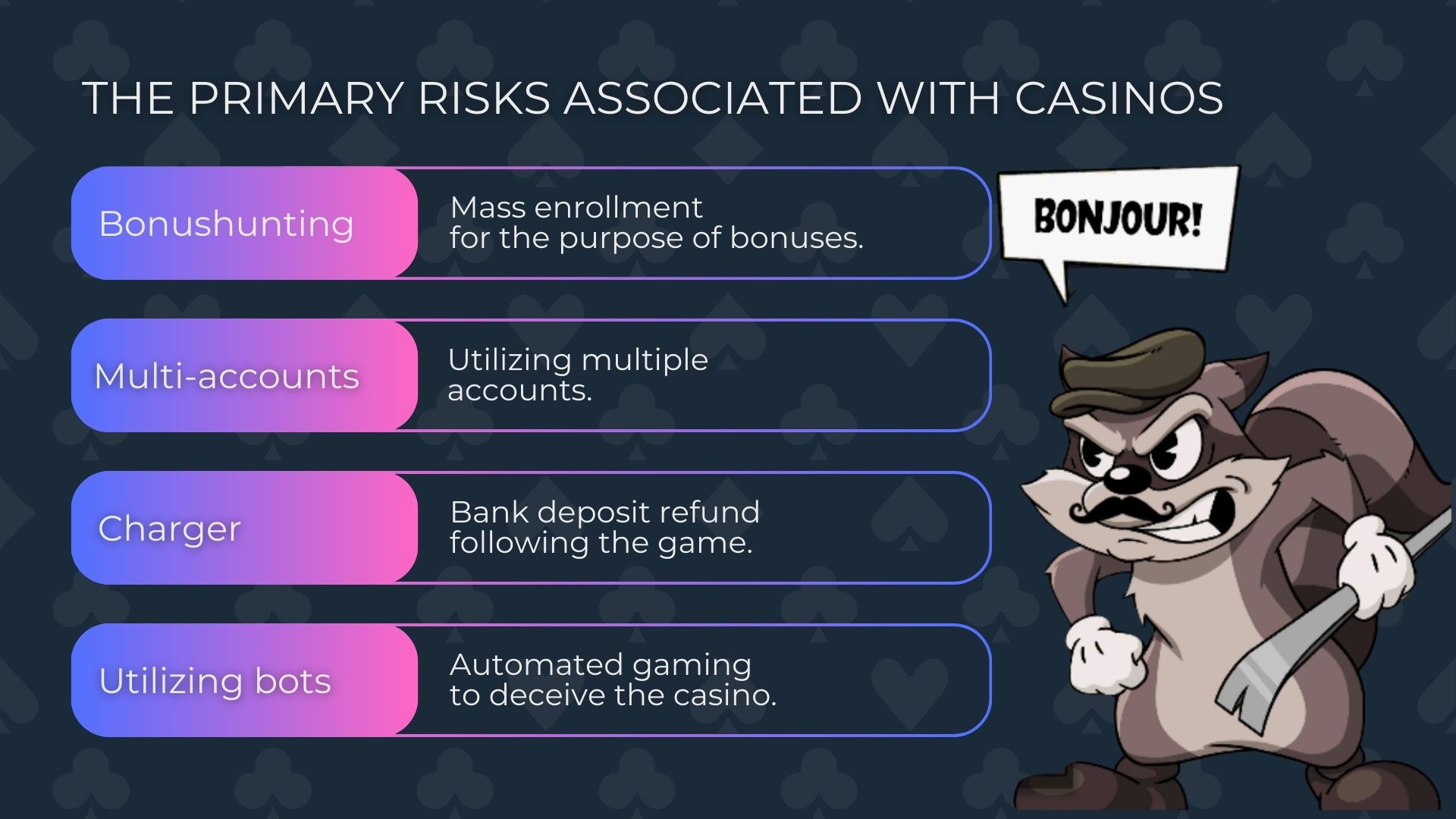
Managing financial, legal, and technical risks is essential for operational stability. Key measures include:
-
Monitoring systems for suspicious transactions.
-
Regular audits and compliance reviews.
-
Data backups and contingency plans for outages.
-
Employee training and a strong internal security culture.
Section Summary
Operations are the foundation of a scalable and sustainable iGaming business. Only a systematic approach to managing teams, processes, and risk can ensure stable growth amid intense competition and increasing regulatory scrutiny.
Final Perspective: How to Build a Successful Online Casino in 2025
Launching and scaling an online casino is a complex, multifaceted process that requires strategic thinking, precise planning, and agile operations. In 2025, the iGaming industry continues to evolve: new technologies emerge, regulatory landscapes shift, and both player expectations and compliance requirements are rising.
Key Takeaways for a Successful Launch and Growth Strategy:
-
Choosing the right business model is foundational. Whether you opt for White Label, a ready-made script, or a custom-built solution—each comes with its own risks and benefits.
-
Legal compliance is critical for long-term sustainability and scaling. Select a license based on your target markets, goals, and resources.
-
The platform is your core technology asset—it determines the product’s quality, operational flexibility, and ability to scale.
-
Content is the heart of your casino. Games drive engagement, player retention, and ultimately your revenue.
-
Payments and security are the bedrock of trust and legal transparency.
-
Marketing is your growth engine—success demands a multi-channel approach and continuous optimization.
-
Operations hold it all together—supporting stability, reducing risks, and enabling scalable expansion.
Practical Recommendations
-
Plan your launch based on your available resources and capabilities. Don’t pursue full customization if your budget is limited.
-
Work with trusted partners for licensing, platform infrastructure, and game content.
-
Implement comprehensive metrics tracking and risk monitoring from day one.
-
Invest in marketing holistically—beyond just traffic acquisition, focus on retention.
-
Stay up to date with regulatory changes in key jurisdictions.
-
Prepare your team for rapid response to technical and legal challenges.
Your Next Step
Start with a clear business plan and a realistic budget estimate. Then, define your priority jurisdictions and go-to-market strategy. Remember: success in the online gambling industry is the result of synergy across all business functions—not just flashy features or cutting-edge tech.