


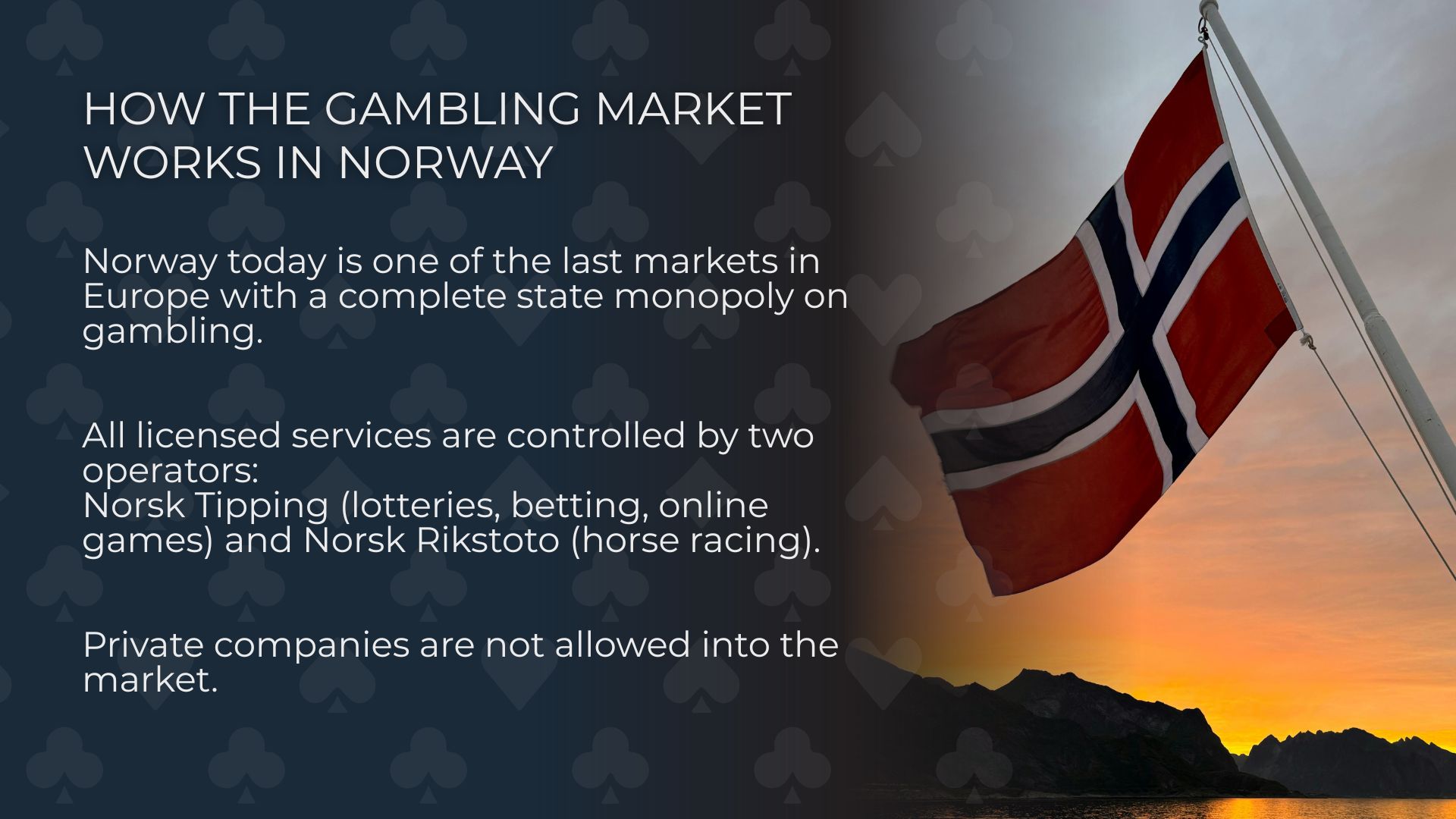
Norway may follow the path of its neighbors and liberalize the gambling market.
Licensed gambling in Norway is currently managed through two state-owned organizations, Norsk Tipping and Norsk Rikstoto, which control physical slot machines, lotteries, online gambling, sports betting, and horse racing.
However, by 2028 the situation may change dramatically, opening the door to new projects — from major operators to startups using, for example, ready-made casino scripts or comprehensive casino software.
Why This Matters
The Conservative Party and the Progress Party have set the goal of replacing the monopoly with a licensing model. This means the market would open to private gambling operators who can build projects on the basis of online casino scripts, while meeting strict requirements: player protection, addiction prevention, transparent reporting, and tax compliance.
According to a recently published report from the Norwegian Lottery Authority, unlicensed foreign operators experienced a decline in net turnover to $124.7 million in 2024, compared to $153.5 million the previous year.
- In 2024, more than 2 million people played online through Norsk Tipping (compared to 1.8 million in 2023).
- Gaming volume increased from NOK 2.6 billion to NOK 3.1 billion.
- The share of illegal platforms in online slots fell from 29–35% in 2023 to 22–28% in 2024.
Against this backdrop, it is clear that demand for new gambling solutions, such as slot scripts and platforms based on ready-made systems, will continue to grow.
| Indicator | 2023 | 2024 | Change | Comment |
|---|---|---|---|---|
| Players on Norsk Tipping | 1.8 million | 2 million | +11% | Audience growth on state platforms |
| Game turnover (legal market) | NOK 2.6 billion | NOK 3.1 billion | +19% | Increased interest in licensed gambling |
| Unlicensed operators’ turnover | $153.5 million | $124.7 million | –18% | Decline in unlicensed operators’ share |
| Black market share in slots | 29–35% | 22–28% | −7 pp | Significant decline in the slots segment |
Experience of Neighbors: Lessons from Sweden, Denmark, and Finland
Scandinavian countries have consistently reformed their gambling markets, moving from state monopolies to licensing models. Norway, considering a similar path, can draw valuable lessons from its neighbors’ experiences.
-
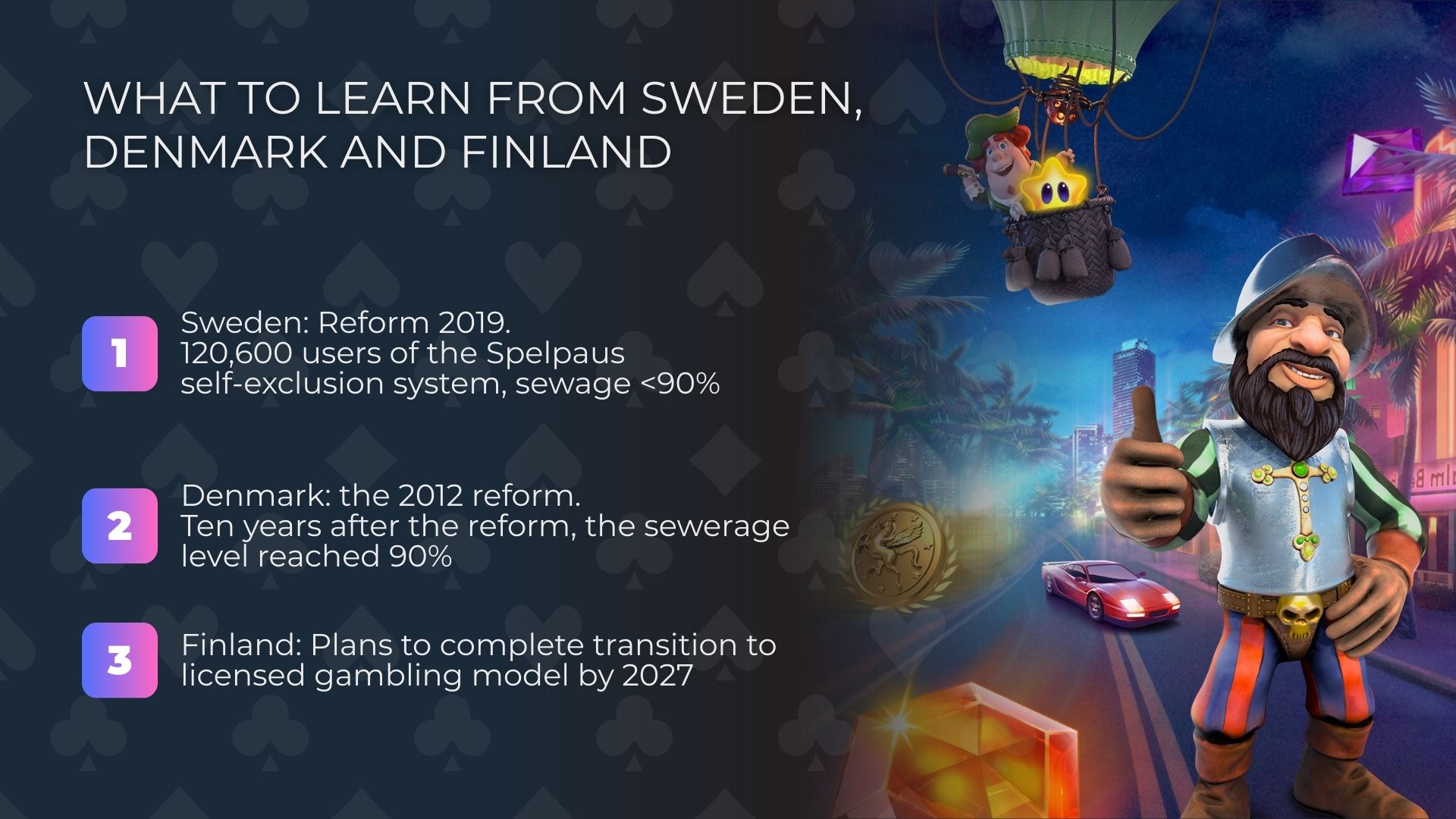
Sweden: The 2019 reform introduced licensing and boosted the popularity of the Spelpaus self-exclusion system (120,600 users by 2024). The reform aimed to ensure 90% channelization of players into the legal sector. However, as of 2024, this target has not been met due to the continued presence of unlicensed operators.
-
Denmark: Liberalized its gambling market in 2012, allowing private operators to operate under strict licensing and consumer protection requirements. Ten years after the reform, channelization reached 90%, highlighting the successful integration of private operators into the regulated environment.
-
Finland: Preparing for transition in 2027, but marketing restrictions are already being discussed, which may affect the attraction of new projects. The new system provides for issuing licenses for both B2C and B2B operators, with a maximum license validity of five years.
What This Means for Business
On the horizon are new opportunities for those ready to act quickly — whether major operators or startups planning to use ready-made casino software or integrate their own slot scripts.
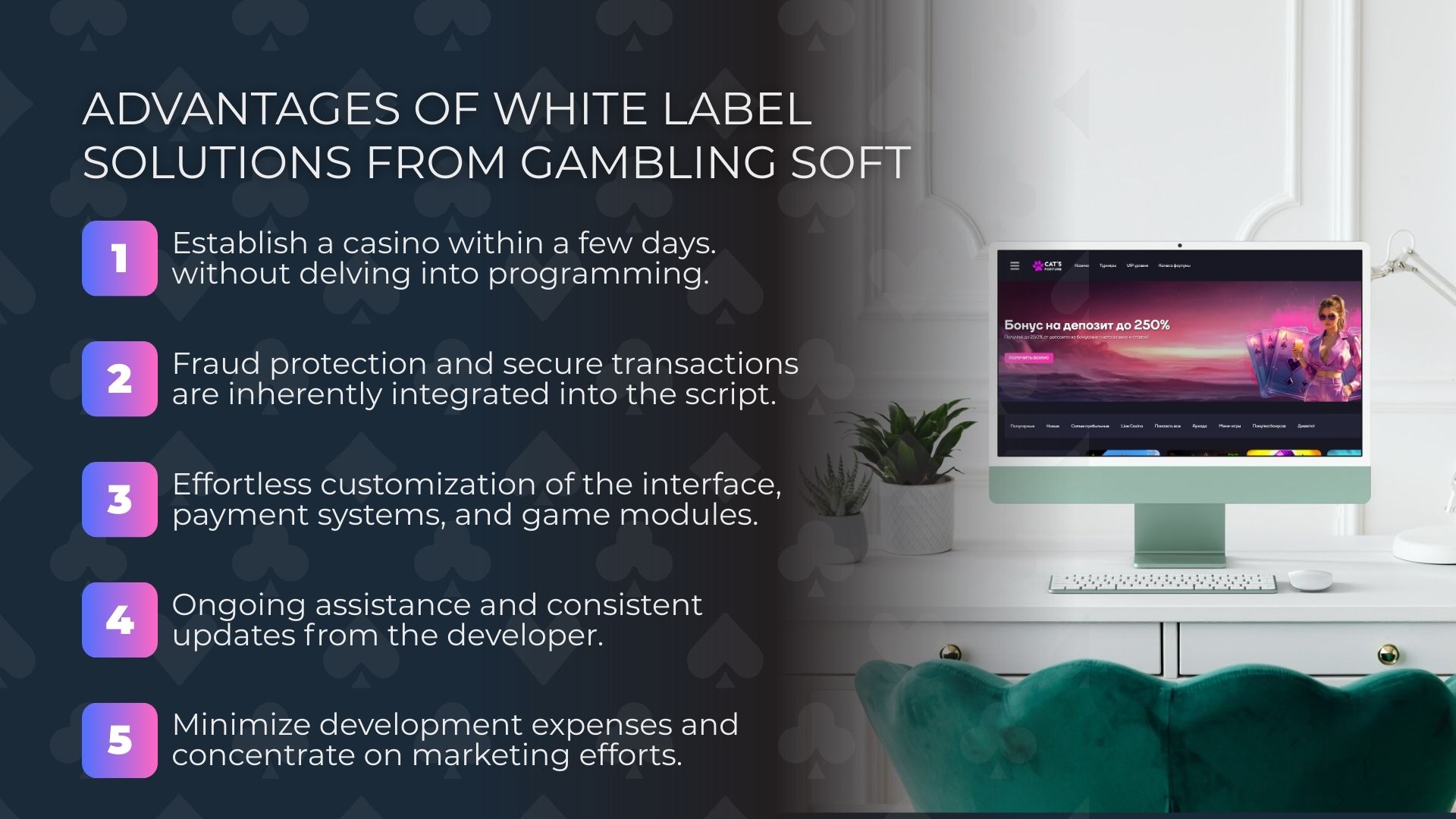
But successful players must prepare in advance: study the requirements, adapt products to Norwegian standards, and demonstrate responsible business practices.
The experiences of Sweden, Denmark, and Finland highlight the importance of a balanced approach to gambling market liberalization. Effective channelization of players into the legal sector requires not only opening the market to private operators but also implementing strict consumer protection measures, a transparent licensing system, and flexible marketing policies.
For Norway, considering a transition to a licensed model by 2028, it is essential to take these lessons into account to ensure successful integration of new operators, player protection, and sustainable market development.
Conclusion
Norway’s gambling market is entering a phase of systemic change. The decline in the black market share alongside growth in the legal sector indicates the effectiveness of the state model, but also highlights its limitations for future development. Growing political support for liberalization, increased engagement of younger users, and alignment with European practices signal that transformation is inevitable.
For businesses, this is a window of opportunity. Those who invest early in high-quality solutions — whether a casino script, comprehensive casino software, or innovative online slot models — will be able to secure strong positions in one of the most promising markets in Northern Europe.