


Scandinavian countries are rapidly reforming their gambling markets, shifting from monopoly models to licensing.
Finland has already approved the corresponding bill, which will come into force in 2027, while Norway is actively discussing similar changes.
These reforms create new opportunities for operators seeking entry into regulated markets. They also open prospects for entrepreneurs interested in launching a project from scratch or acquiring casino software.
What Will Change in Finland?
Licensing of Private Operators
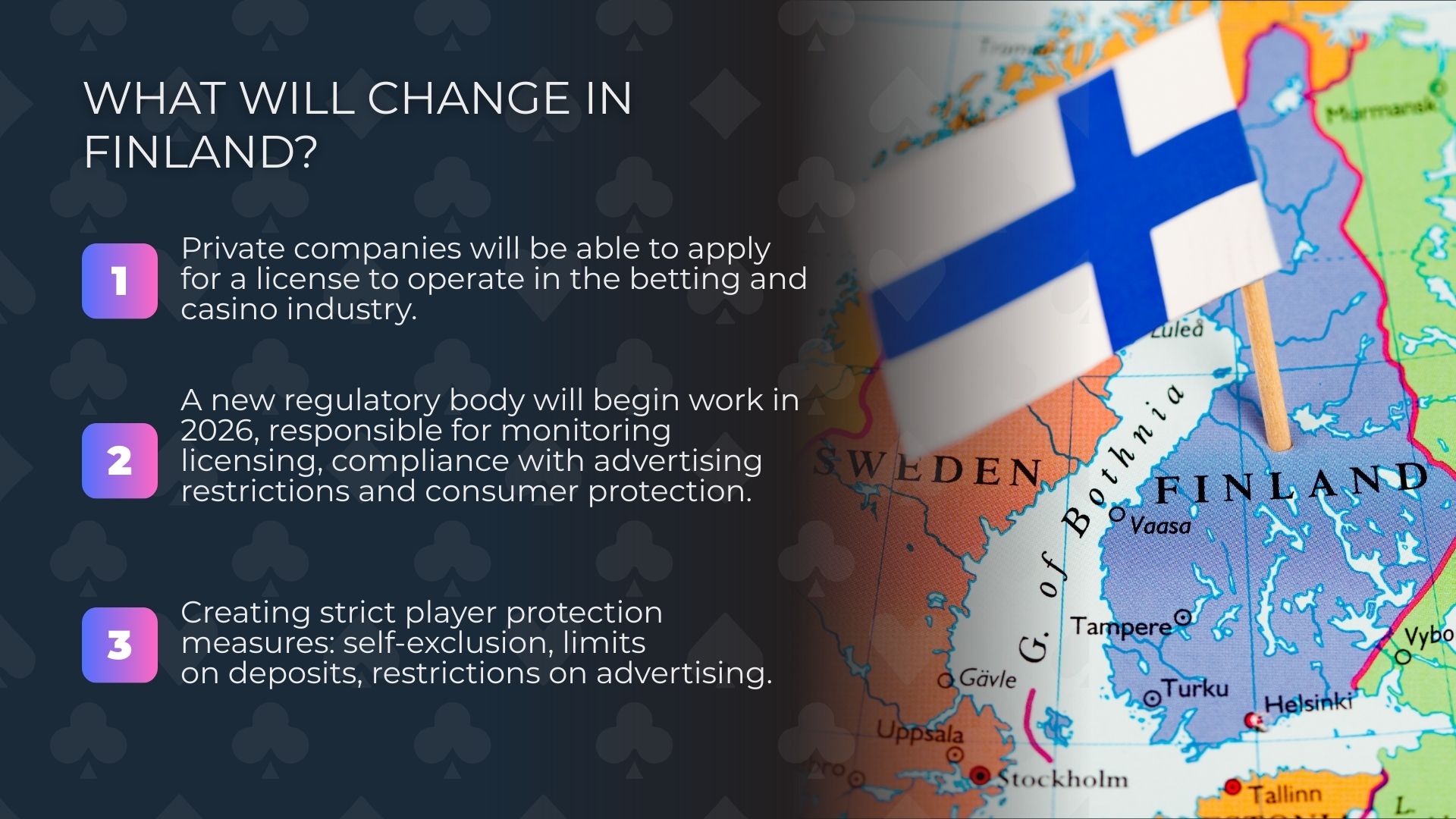
For the first time in history, private companies in Finland will be able to apply for licenses to operate in the field of online betting and casinos. This brings the country closer to a more open market, similar to the systems already functioning in Sweden and Denmark.
Establishment of a New Regulatory Authority
In 2026, a new supervisory authority will begin operations, taking over responsibility for licensing, enforcing advertising restrictions, and protecting consumer rights. By 2027, it will fully replace the National Police Board in matters of industry regulation.
Strict Player Protection Measures
The reform introduces:
- A unified self-exclusion system for all licensed platforms.
- Deposit limits and real-time loss tracking.
- A ban on influencer marketing and outdoor advertising of high-risk games (e.g., online slots). Operators will only be allowed to promote services on their own websites and social media under strict rules.
Preservation of Veikkaus Monopoly in Specific Sectors
Despite liberalization, Veikkaus will retain exclusive rights to lotteries, scratch cards, land-based casinos, and slot machines. However, state revenues will now come not only from Veikkaus but also from taxes and license fees paid by private operators.
Norway on the Path to Reform
Norway is on the verge of a significant shift in gambling policy. Currently, the country maintains a full monopoly, with all authorized betting conducted through the state-owned company Norsk Tipping.
However, amid political and public debates, the Conservative Party, led by Tage Pettersen, is promoting the idea of licensing, following the examples of Denmark, Sweden, and Finland.
Main Arguments of Reform Supporters:
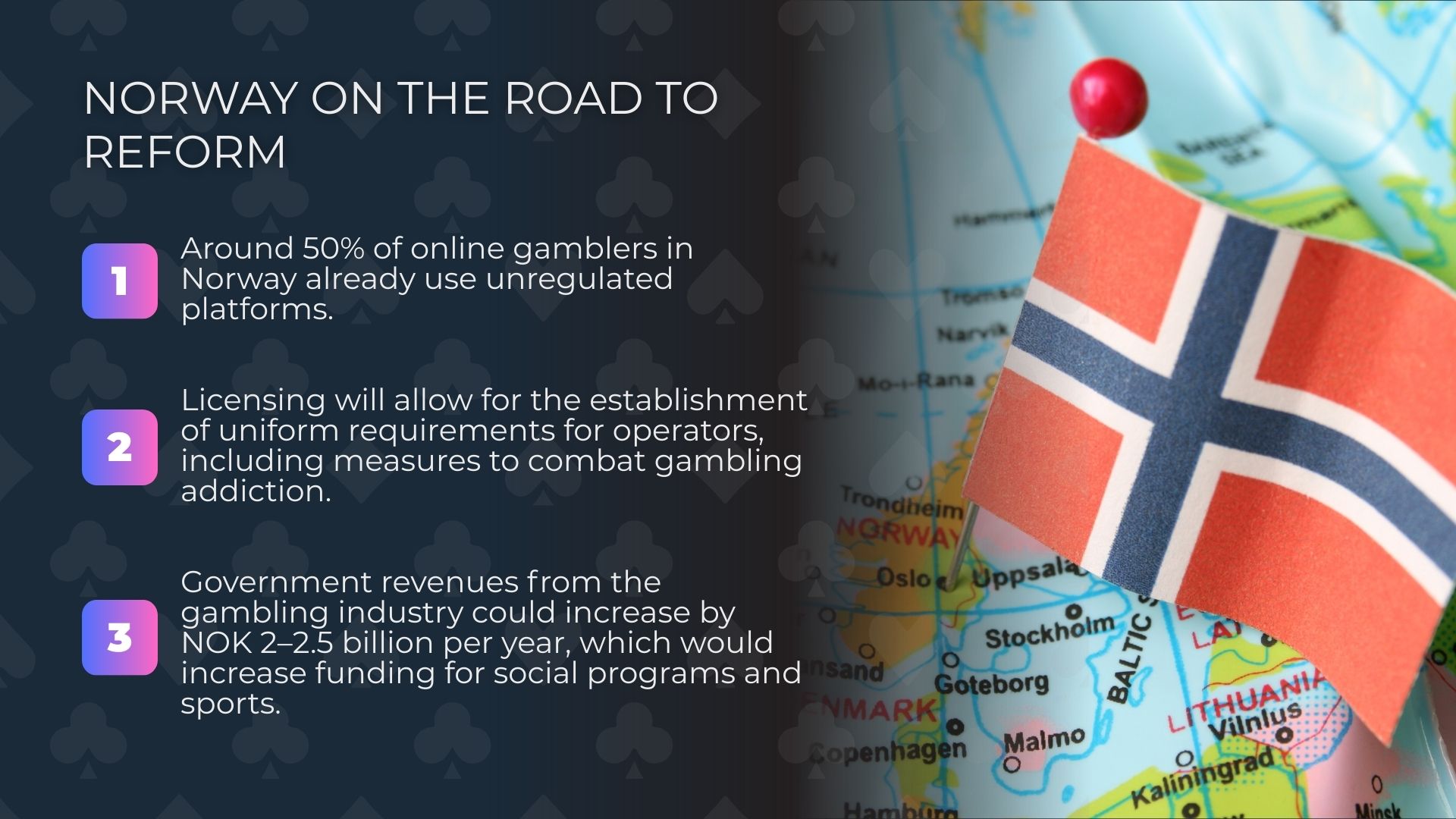
- About 50% of Norwegian online players already use unregulated platforms.
- Licensing would establish unified requirements for operators, including measures to combat gambling addiction.
- State revenues from gambling could increase by 2–2.5 billion NOK annually, boosting funding for social programs and sports.
Nevertheless, the initiative faces resistance from the Norwegian Sports Federation and organizations addressing gambling addiction. Opponents argue that licensing could increase gambling-related harm and reduce funding for public initiatives.
Prospects for Operators

Reforms in Finland and potential changes in Norway open doors for international gambling operators aiming to enter new markets. Key advantages include:
- Legal access to a solvent audience.
- Reduced legal risks associated with operating in unregulated markets.
- The opportunity for early entry into a market that is only beginning to transform.
For those seeking ways to enter the industry, it is possible to buy an online casino franchise, allowing a fast market entry with a ready-made model that complies with regulatory requirements.
When Should You Prepare for Market Entry?
- Finland: licenses will begin to be issued in 2026, with the full transition to the new system completed in 2027.
- Norway: discussions are ongoing, with a final decision expected in the coming years.
The Scandinavian gambling market is transforming, creating new opportunities for business. Now is the right time to analyze future regulatory requirements, develop market entry strategies, and build relationships with key regulators.