


Affiliate marketing continues to be a key driver of player acquisition in the iGaming industry: 22% of marketers identify it as a central pillar of their 2025 strategy. This underscores the enduring role of affiliate models as a foundation for sustainable growth.
In 2025, iGaming is among the leading segments in the global entertainment landscape, with projected market growth from $97 billion in 2024 to $132–161 billion by 2029–2030. This scale intensifies competition and demands flexibility, technological maturity, and deep expertise from affiliate partners.
Today’s affiliate marketing is no longer limited to referral links and welcome bonuses. Dynamic content, CPA partnerships with influencers, and cryptocurrency integrations are helping operators stand out and retain player attention. For example, personalized ad campaigns can improve conversion rates by 10–15%.
The State of Affiliate Marketing in iGaming in 2025
By 2025, affiliate marketing in iGaming has evolved from a supporting channel into a strategic growth and scaling mechanism. Amid intensifying competition, rising user expectations, and geographic expansion of operators, affiliate programs have reached a new level of strategic importance.
Growing Relevance Amid Market Dynamics
Affiliate traffic is becoming critical to the operational success of most brands operating on a modern casino platform or sportsbook solution.
Affiliate programs are now indispensable:
-
In mature markets (e.g., Europe, the UK, Malta) — as a means of standing out among dozens of licensed operators;
-
In emerging markets (e.g., Brazil, India, Kenya, Peru) — as a fast and cost-effective way to acquire traffic without building local teams or running long-term branding campaigns.
Affiliates as Strategic Partners, Not Just Traffic Sources
The modern affiliate marketing model in iGaming increasingly includes:
-
Hybrid CPA + Revenue Share models, providing upfront rewards and long-term profit share based on player LTV;
-
Micro- and nano-influencer collaborations, using affiliate links and tailored campaigns;
-
Data-driven platforms like Everflow, Fintel Connect, or Impact Radius integrate seamlessly with online casino software for transparent analytics, automated payouts, and scalable operations;
-
Partner loyalty and education programs, including access to exclusive content, analytics, and internal referral initiatives.
These developments confirm that affiliate marketing in 2025 is a full-fledged ecosystem requiring technological maturity, strategic planning, and full compliance with market and regulatory demands.
Key Challenges for iGaming Affiliate Marketing in 2025
Despite its growth and increasing maturity, affiliate marketing in iGaming faces several systemic challenges that threaten the sustainability and effectiveness of affiliate programs if left unaddressed.
1. Stricter Regulations and Legal Pressure
One of the primary challenges is the global tightening of legislation related to gambling advertising. In various jurisdictions (e.g., the UK, Germany, the Netherlands, Australia), new regulations are imposing stricter limitations on:
-
The use of aggressive advertising formats;
-
Collaboration with anonymous platforms and unauthorized influencers;
-
Tracking mechanisms and user data collection (particularly under frameworks like GDPR, ePrivacy, DMA, and similar initiatives).
Impact: Affiliate programs and affiliates themselves are being forced to invest in legal support, KYC/AML compliance tools, and advanced compliance analytics systems.
Example: In 2024, the UK’s Advertising Standards Authority (ASA) banned over 150 ad campaigns for violating “social responsibility” standards, including those involving influencers appealing to younger audiences.
2. Market Saturation and Traffic Inflation
In mature markets (e.g., Germany, Malta, the UK), the affiliate landscape is increasingly saturated — both in SEO and PPC channels. The cost per acquisition (CPA) of a single player can exceed $300–$500, leading affiliates to:
-
Seek niche opportunities and explore alternative channels (e.g., Telegram bots, streaming platforms, Quora and Reddit communities);
-
Build their own brands to maintain competitive edge (e.g., YouTube channels, bonus aggregators, UGC websites);
-
Adopt long-tail strategies targeting micro-segments (e.g., “fast-payout casinos for Finland” or “no-verification bonuses in 2025”).
3. Evolving User Expectations
Modern players expect affiliate content to offer:
-
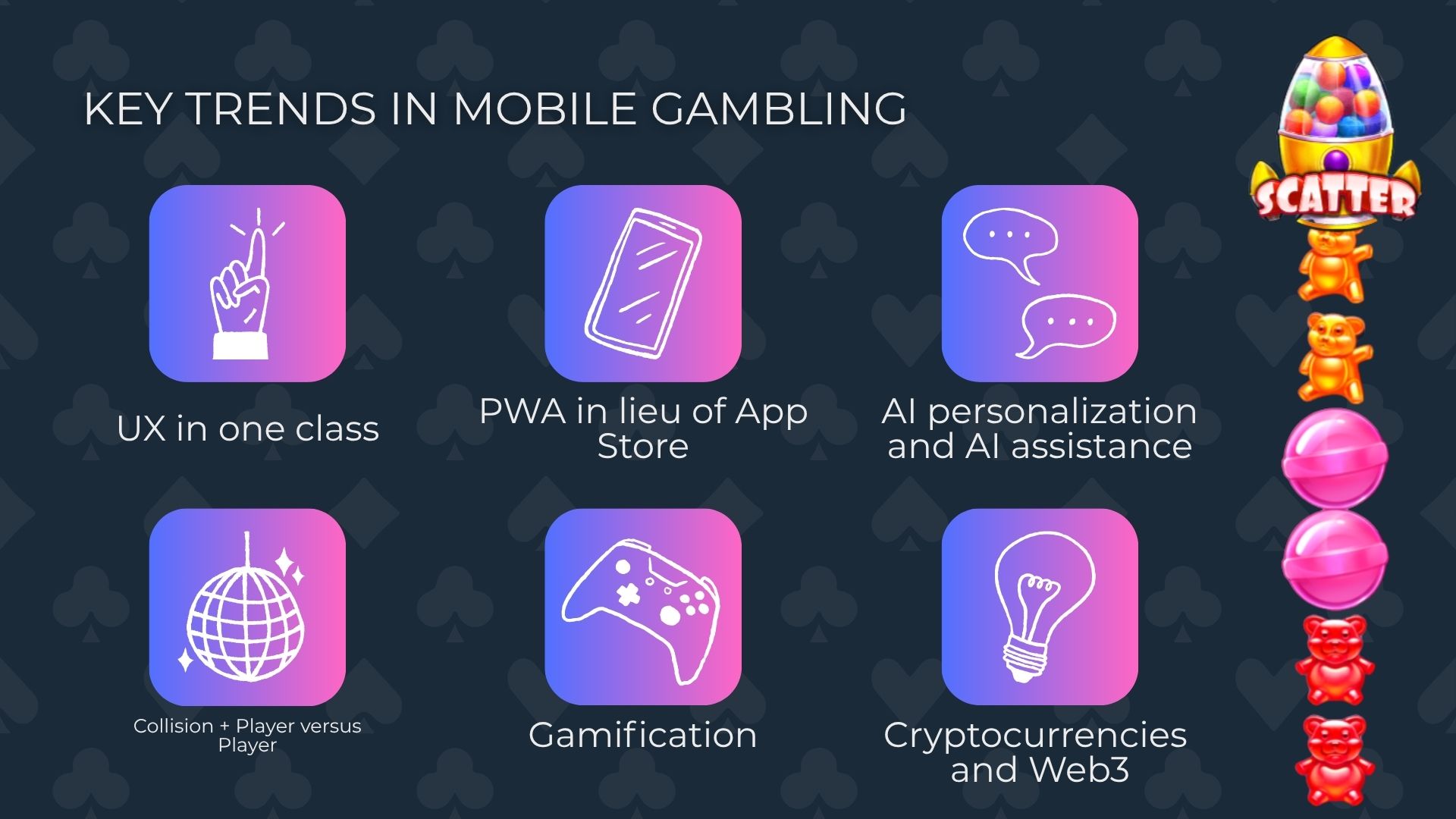
Hyper-personalization — relevant bonuses, tailored offers, real-time support via Telegram or WhatsApp;
-
Transparency — no clickbait or gray-hat tactics;
-
Mobile optimization — up to 80% of traffic in some regions comes from mobile devices, particularly in Latin America, Africa, and Southeast Asia.
Content that fails to meet these expectations quickly loses effectiveness: bounce rates rise, session durations fall, and monetization drops.
4. Rising Costs and Pressure on Margins
Many affiliate programs are revising commission structures, lowering RevShare rates (e.g., from 50% to 30–35%) and introducing minimum activity thresholds. This forces affiliates to either switch platforms or increase the volume and quality of traffic — putting a premium on automation for:
-
Lead tracking;
-
LTV forecasting;
-
ROI calculation across traffic sources.
Technologies and Tools Reshaping Affiliate Marketing in 2025
Modern iGaming affiliate marketing is inseparable from its technological backbone. In 2025, tech tools don’t just enhance efficiency — they are critical for survival in a highly competitive environment. From generative AI to comprehensive tracking systems, every element of the affiliate ecosystem is undergoing transformation.
1. Generative AI and Content Automation
According to Deloitte, over 65% of marketing agencies in iGaming already use AI for content creation. The key applications include:
-
Automated rewriting and localization — scalable, high-quality content production across multiple markets;
-
Dynamic bonus and game descriptions — generated from real-time data via affiliate program RSS feeds;
-
Chatbots and AI assistants — virtual consultants recommending bonuses and platforms in real time.
Benefit: Faster page deployment, scalable SEO, and personalized information delivery.
2. Big Data and Behavioral Analytics
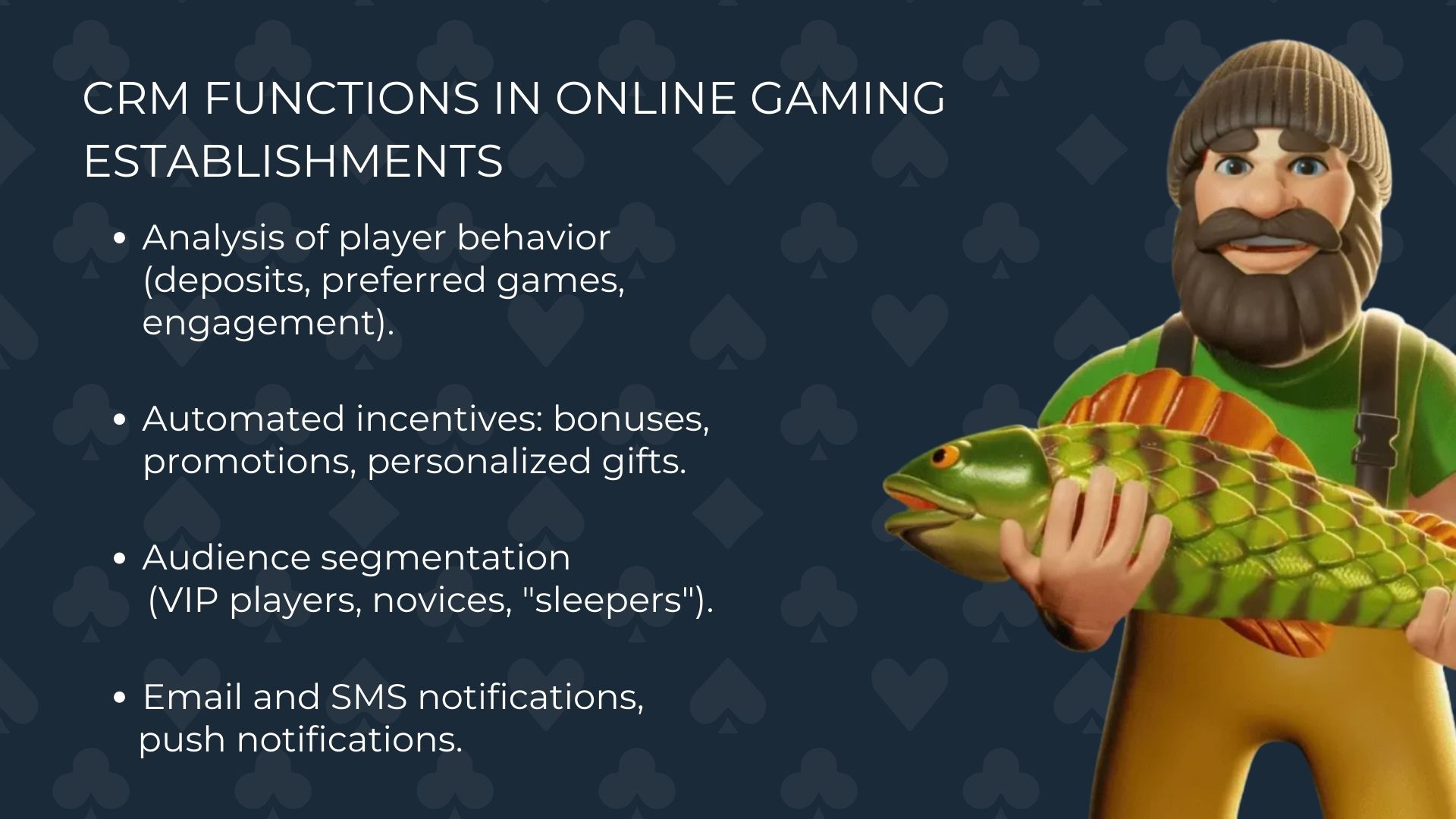
Leveraging Big Data enables affiliates to segment users based on actual behavior:
-
Which games users click on most;
-
Which bonuses generate LTV beyond 60 days;
-
Which creatives trigger high bounce rates or negative reactions.
Integration with CRMs, BI platforms, and iGaming APIs allows the creation of hyper-targeted offers, personalized landing pages, and optimized user journeys from click to registration.
3. Advanced Tracking and Optimization Platforms
Top-performing affiliates use more than just Google Analytics — they rely on specialized tools such as:
-
Voluum, Binom, RedTrack — multi-layer tracking, split testing, and multichannel funnel analytics;
-
Hotjar, Smartlook — behavioral analysis for landing page conversion optimization;
-
Postback tracking and API integrations — syncing affiliate data with operators’ CRM systems for transparent LTV, ARPU, and churn metrics.
These tools help identify weak points in the conversion funnel and reallocate budgets toward the most profitable sources in real time.
4. Automated Reporting and Forecasting
Modern affiliate platforms enable:
-
Automated performance reporting — revenue breakdowns by GEO, device, traffic source;
-
Revenue forecasting — based on historical trends and real-time data;
-
Custom KPI dashboards — real-time monitoring of profitability and ROI.
Outcome: Data-driven decision-making grounded in clear unit economics instead of guesswork.
Key Trends and Strategies in iGaming Affiliate Marketing in 2025
iGaming remains one of the most dynamic and competitive niches in digital marketing. In 2025, affiliate marketing is evolving from a basic traffic channel into a complex ecosystem where technology, personalization, trust, and regulatory compliance are paramount. Below are the core strategic directions defining affiliate and operator success this year.
1. Hyper-Personalization as a Growth Driver
From bonuses and offers to landing pages and email campaigns — every element must be tailored to the individual player. Machine learning and behavioral analytics enable:
-
Generating custom promotions based on betting history;
-
Adapting offers to device type, time zone, and player preferences;
-
Matching CPA or RevShare models to the quality of acquired players.
According to research, personalized marketing can increase affiliate revenue by 10–15% and landing page conversion rates by 20% or more.
2. Collaborating with Influencers and Content Creators
Influencer marketing is no longer a secondary channel. It has become the centerpiece of many affiliate strategies, particularly in verticals like live casino, crypto gaming, and sports betting.
Effective formats include:
-
Co-hosted streams with game providers;
-
Tournaments involving bloggers, where each participant serves as a brand ambassador;
-
UGC campaigns, where players post results using a hashtag or promo code.
Micro-influencers (5k–50k followers) tend to deliver superior engagement and cost-per-lead performance.

3. Crypto-Focused Affiliate Programs
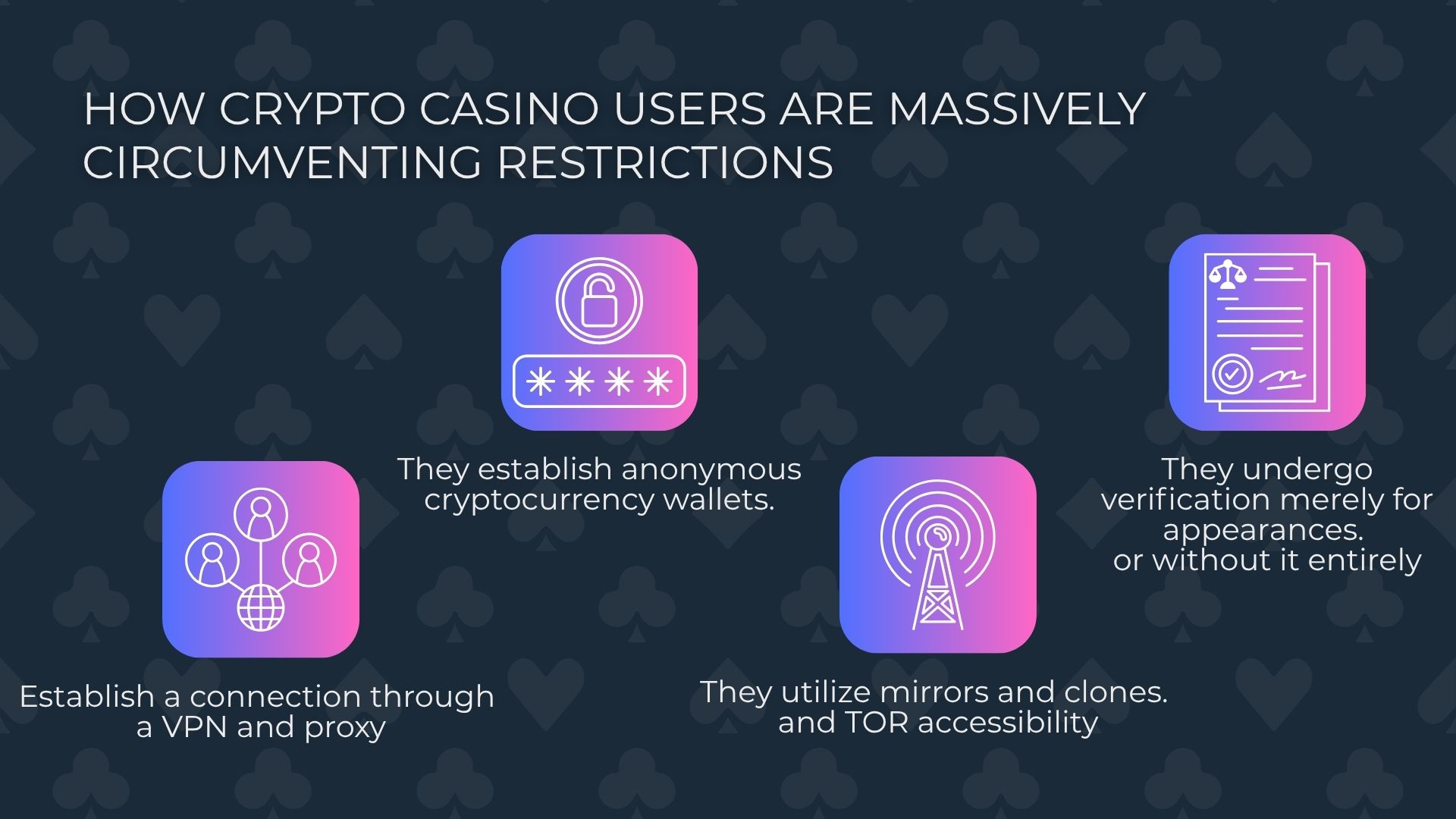
As crypto gaming and Web3 platforms gain momentum, crypto-focused offers are becoming increasingly attractive:
-
~1% transaction fees;
-
High average revenue per user (ARPU);
-
No chargeback risks;
-
Strong user loyalty toward new crypto products.
Affiliates targeting crypto casinos often receive exclusive deals, can run anonymous campaigns, and operate in global GEOs with fewer banking restrictions.
4. Niche and Vertical Specialization
Intense competition in generic segments (e.g., “online casino”) is pushing affiliates to target narrower niches:
-
Live Casino — strong engagement and high LTV;
-
Specialized providers (e.g., “slots from Nolimit City”);
-
Game genres (e.g., Crash Games, Megaways, Table Games);
-
Local markets — Turkey, Japan, Africa, LATAM.
Such specialization enables affiliates to tap into less saturated markets and achieve higher ROI on lower budgets.
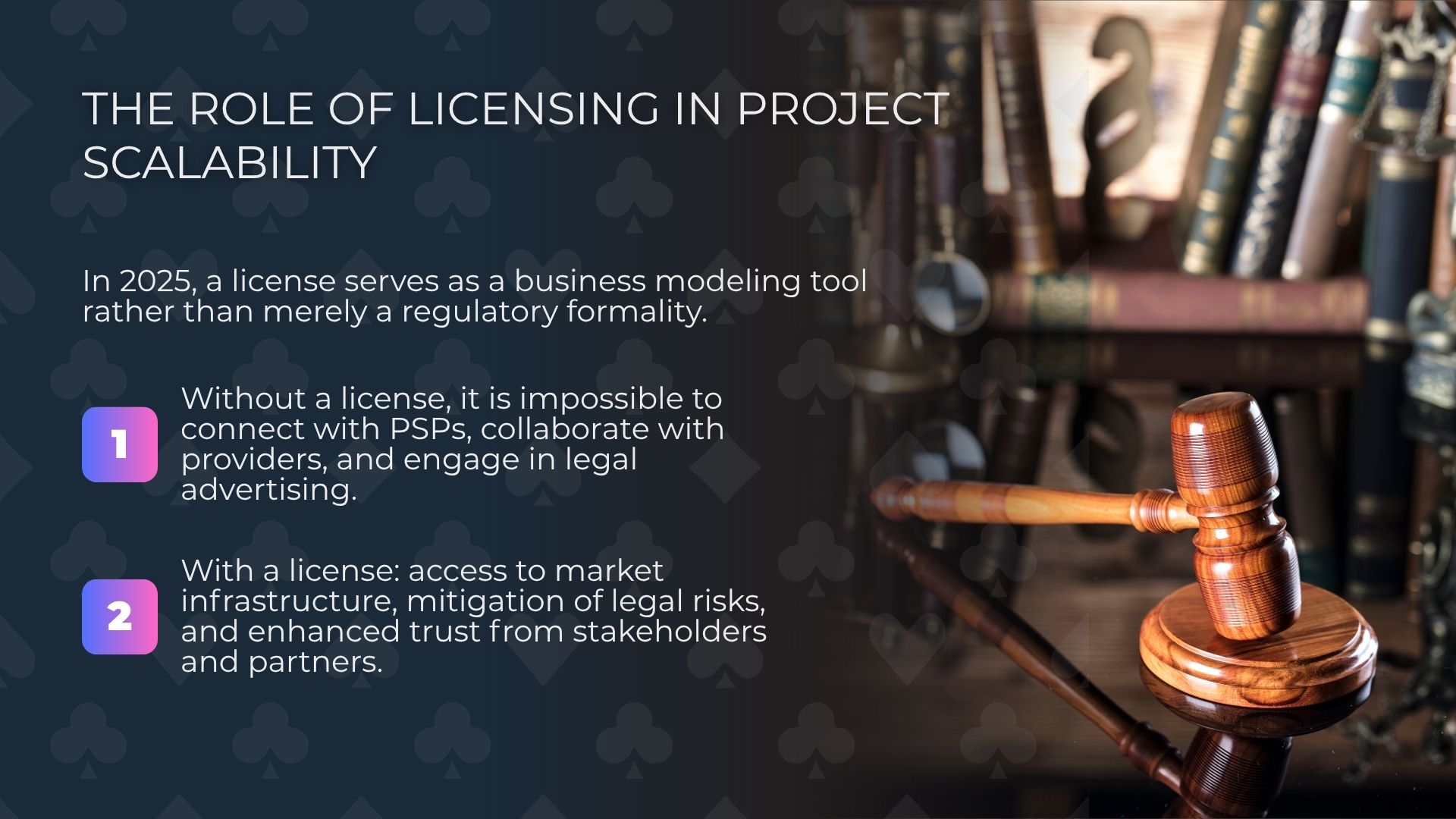
5. Compliance as a Competitive Advantage
The “go where there are fewer restrictions” approach no longer works. Instead, the focus is shifting to:
-
Transparent affiliate terms;
-
White-label branding instead of aggressive marketing;
-
Adaptation of landing pages and creatives to meet country-specific regulatory standards.
Affiliates capable of delivering “clean” traffic with verified attribution and full KYC/AML compliance are rewarded with premium placements, exclusive payouts, and long-term partnerships.
Conclusion: How Affiliate Marketing Is Transforming the iGaming Landscape in 2025
In 2025, affiliate marketing in the iGaming industry is no longer confined to traditional traffic acquisition. It has become a fully integrated market mechanism that aligns the interests of operators, players, regulators, and technology platforms.
Key takeaways:
-
Personalization is now a standard. Affiliates that offer tailored experiences to each user outperform competitors and secure premium terms from operators.
-
Influencers and content creators are trust and engagement engines. Affiliates working with influencers gain not just traffic, but loyal audiences.
-
Cryptocurrencies unlock new markets. Crypto-based programs reduce costs, expand geographic reach, and offer strategic advantages for affiliates.
-
Integrated marketing is a necessity. Sustainable traffic flow now depends on a smart mix of SEO, paid media, influencer campaigns, and affiliate platforms.
-
Compliance is a competitive edge. In 2025, the winners are those who follow the rules and adapt swiftly to evolving regulatory frameworks.
Affiliate marketing in iGaming is not evolving — it is undergoing a revolution. As regulation tightens, technology advances, and global expansion accelerates, those who lead the change — through innovation, transparency, and strategic thinking — will shape the market.
-
For operators, this is a chance to build resilient affiliate networks.
-
For affiliates, it’s an opportunity to claim high-value niches and scale their businesses.
-
For players, it means a more honest and personalized gaming experience.
2025 is a turning point — and affiliate strategy will determine who leads and who gets left behind.